Quantum physics emerged because established theories could not explain several experimental results. The distribution of heat radiation, atomic spectra and the behaviour of electrons demanded new approaches. The revolution involved competing models and difficult conceptual changes rather than one discovery that immediately settled every question.
Topic guide
Quantum Revolution
How physicists changed their understanding of atoms, radiation and matter.
Start here
Overview
Key questions answered
Quantum Revolution explained
Begin with clear answers, then use the full guide, timeline, people, stories and quizzes below.
What is Quantum Revolution?
How physicists changed their understanding of atoms, radiation and matter. Quantum physics emerged because established theories could not explain several experimental results. The distribution of heat radiation, atomic spectra and the behaviour of electrons demanded new approaches. The revolution involved competing models and difficult conceptual changes rather than one discovery that.
When did Quantum Revolution happen?
The guide follows major developments from 1900 (Planck's radiation work) to 1933 (Dirac shares physics prize). The full chronology below explains the changes between them.
What should you know about Quantum Revolution?
The essential areas are Energy and the atom, A new mathematical framework, A problem in thermal radiation, An equation with unexpected consequences, How scientific recognition differs from discovery. Each section below explains the evidence and historical connections.
Why does Quantum Revolution matter?
Quantum physics emerged because established theories could not explain several experimental results. The distribution of heat radiation, atomic spectra and the behaviour of electrons demanded new approaches. The revolution involved competing models and difficult conceptual changes rather than one discovery that immediately settled every question.
Build your understanding
The essential guide
Energy and the atom
Max Planck's radiation work introduced a new relationship between energy and frequency in 1900. Niels Bohr's 1913 atomic model linked discrete energy states with the light emitted by atoms. These were important steps, but early quantum models could not provide a complete account of complex atoms.
A new mathematical framework
Quantum mechanics developed during the 1920s through several approaches. Paul Dirac connected quantum theory with special relativity in his work on the electron. The resulting physics reshaped chemistry and later technologies, while raising lasting questions about measurement, probability and what a physical theory describes.
A problem in thermal radiation
Planck's radiation law addressed the distribution of energy emitted as thermal radiation. The issue was not that existing physics explained nothing: classical methods worked successfully in many other settings, but did not provide the required account here. Planck published his new law in 1900, and its implications forced a reconsideration of how energy could be exchanged. His career also complicates the image of revolution as youthful rebellion. He became a leading figure in German scientific institutions, serving as a university rector and later president of the Kaiser Wilhelm Society while the theory's significance continued to develop.
An equation with unexpected consequences
Dirac's work sought a mathematical description of the electron compatible with special relativity. His 1928 equation did more than combine familiar concepts: its consequences pointed towards a positively charged counterpart of the electron. This became a test of whether an unfamiliar mathematical result described something physically real. Carl Anderson's experimental identification of the positron in 1932 provided crucial evidence. The episode illustrates a productive relationship between theory and observation, but not a rule that every mathematical possibility must exist. Predictions still need careful interpretation, experimental investigation and comparison with alternative explanations.
How scientific recognition differs from discovery
Nobel dates are useful milestones, but they are not necessarily dates of discovery. Planck's award was associated with 1918, long after his radiation work, and was received later. Dirac shared the 1933 physics prize after several years of contributions to quantum mechanics and electron theory. His doctoral work at Cambridge and later visits to the Institute for Advanced Study also show how ideas circulated through institutions and personal networks. Distinguishing publications, experimental tests and subsequent honours produces a more accurate chronology than assigning each scientific change to the year a famous medal was awarded.
Chronology
Key dates
Planck's radiation work
Energy quantisation entered the explanation of thermal radiation.
Bohr's atomic model
Discrete states were linked to atomic spectra.
Planck's Nobel Prize year
The physics prize recognised his contribution to energy quantisation.
Quantum mechanics
New mathematical approaches transformed atomic physics.
Dirac's electron equation
Quantum mechanics and special relativity were brought together for the electron.
Positron observed
Carl Anderson experimentally identified the electron's positive counterpart.
Dirac shares physics prize
Recognition followed his development of relativistic quantum theory.
Read more
Essential stories
Begin with the foundations, then move into the events, people and debates that add detail and complexity.
No verified stories have been assigned to this topic yet.
Test yourself
Available quizzes
MediumQuantum Revolution
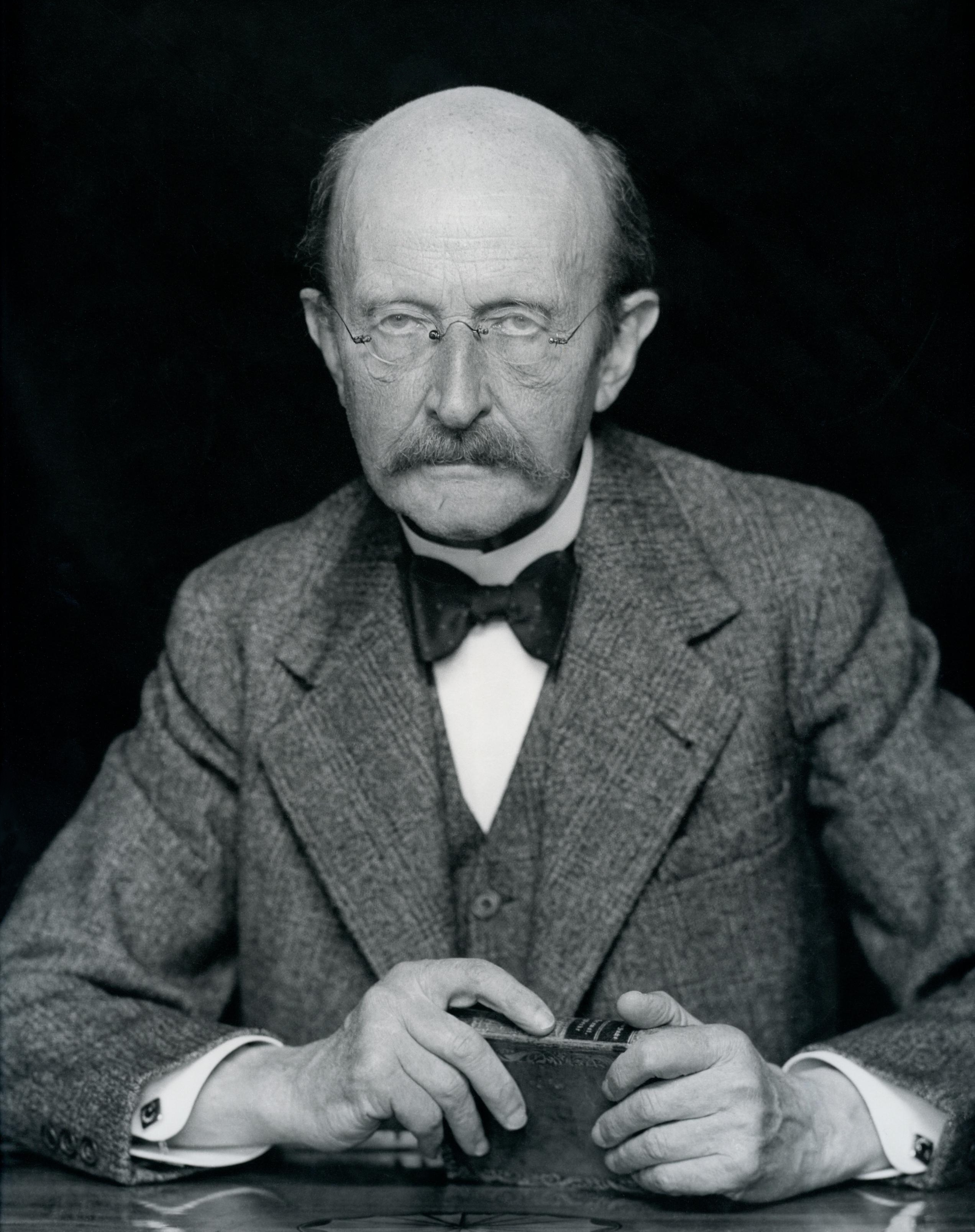
Max Planck
Five questions on Max Planck's work, decisions and achievements, with explanations and sources after each answer.
Start quiz →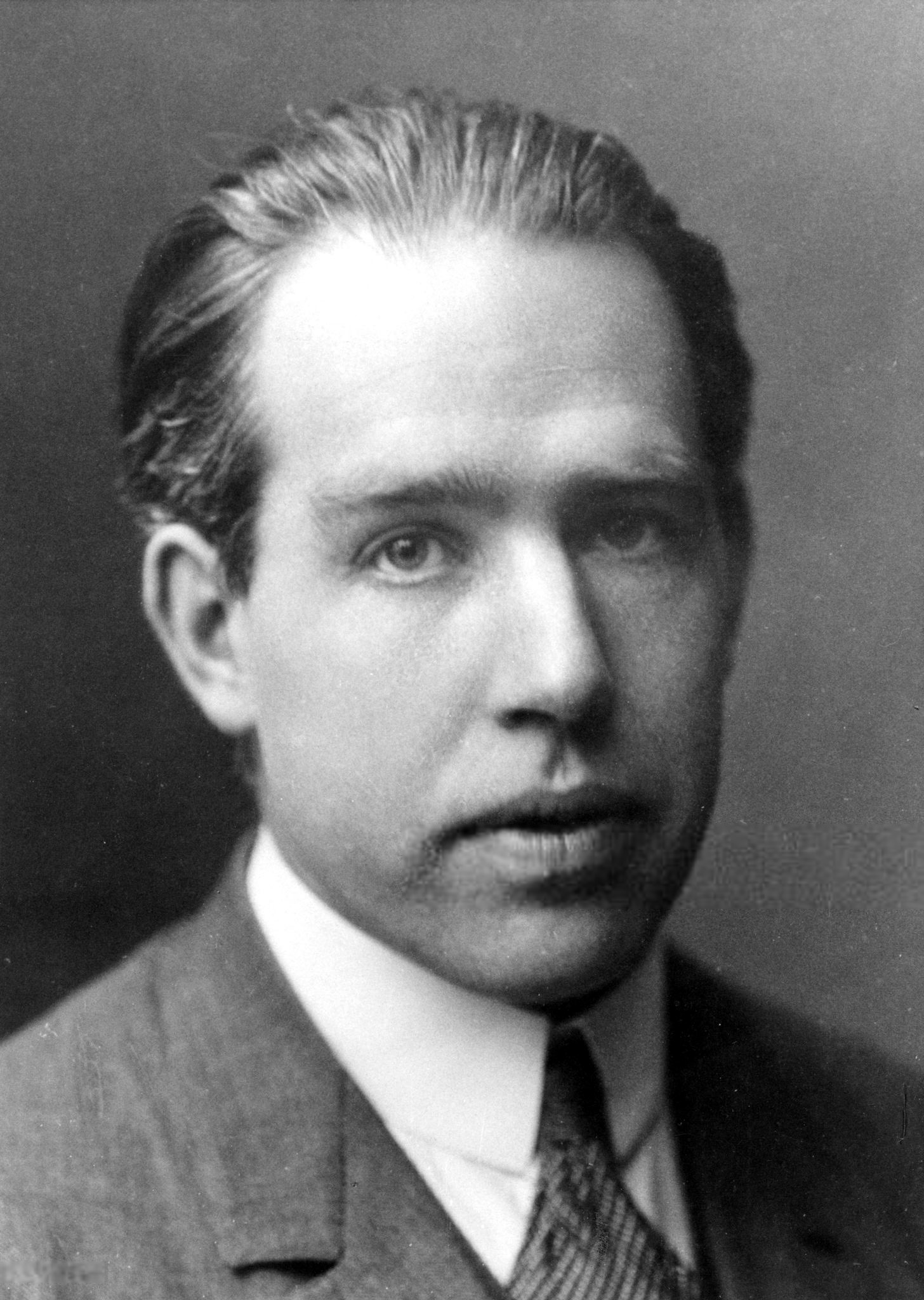 Medium
Quantum Revolution
Niels Bohr
Five questions on Niels Bohr's work, decisions and achievements, with explanations and sources after each answer.
Start quiz →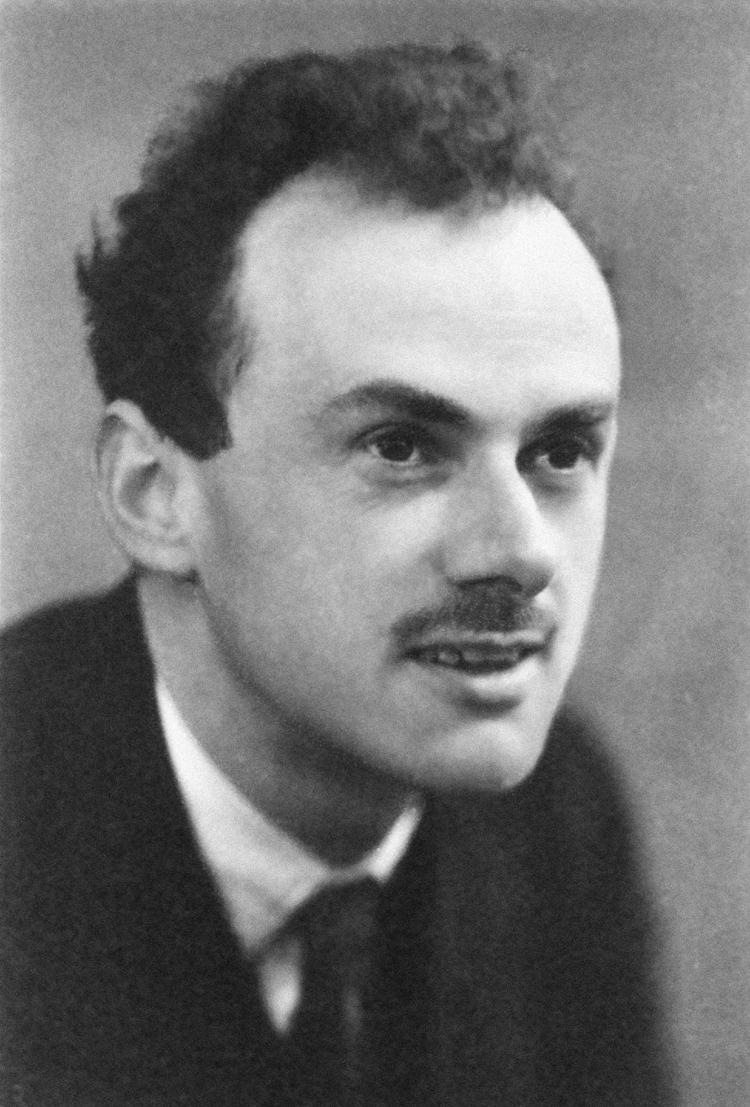 Medium
Quantum Revolution
Paul Dirac
Five questions on Paul Dirac's work, decisions and achievements, with explanations and sources after each answer.
Start quiz →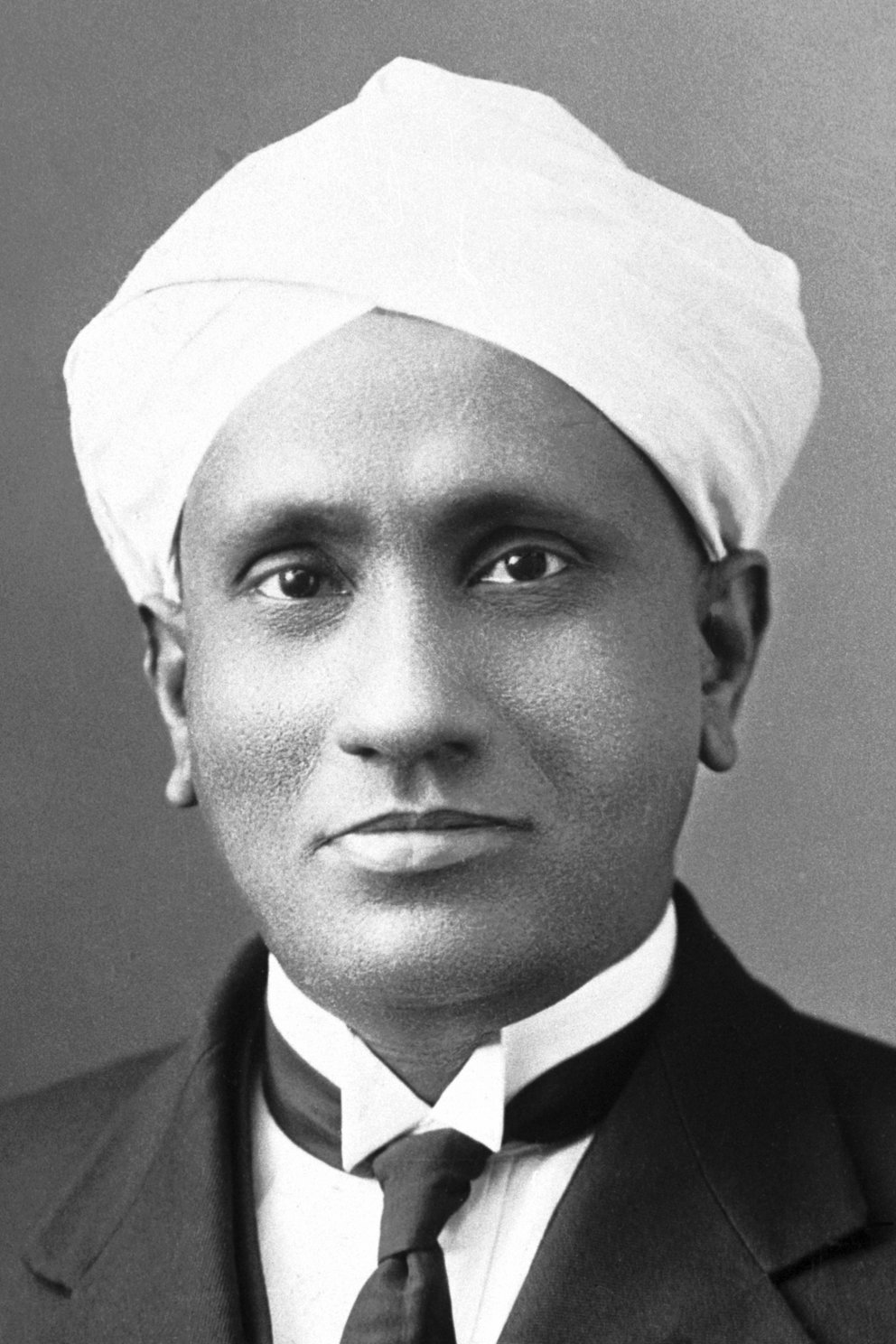 Medium
Quantum Revolution
C. V. Raman
Five questions on C. V. Raman's work, decisions and achievements, with explanations and sources after each answer.
Start quiz → Medium
Quantum Revolution
Abdus Salam
Five questions on Abdus Salam's work, decisions and achievements, with explanations and sources after each answer.
Start quiz →People
Events
No events are currently assigned.
Continue learning