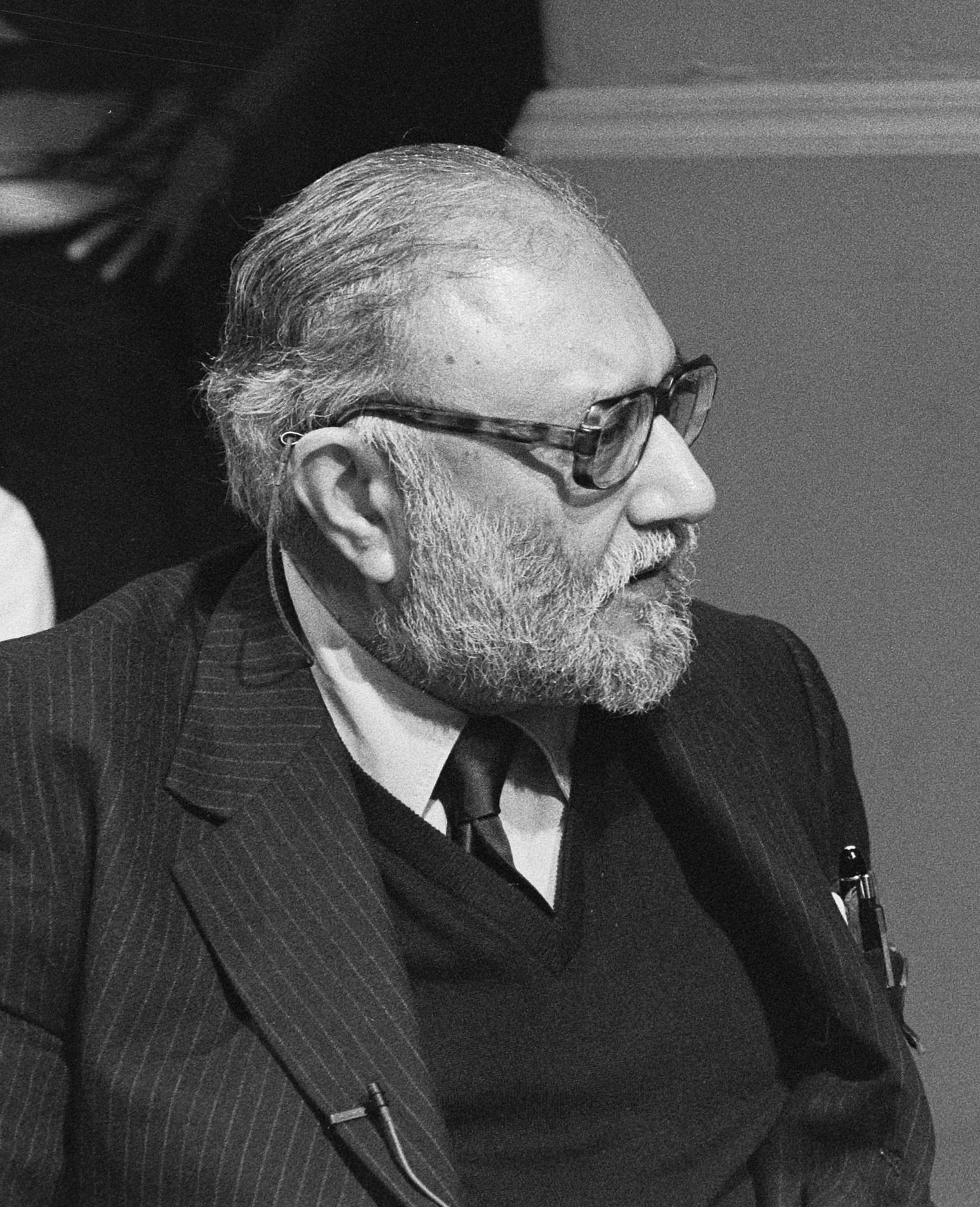
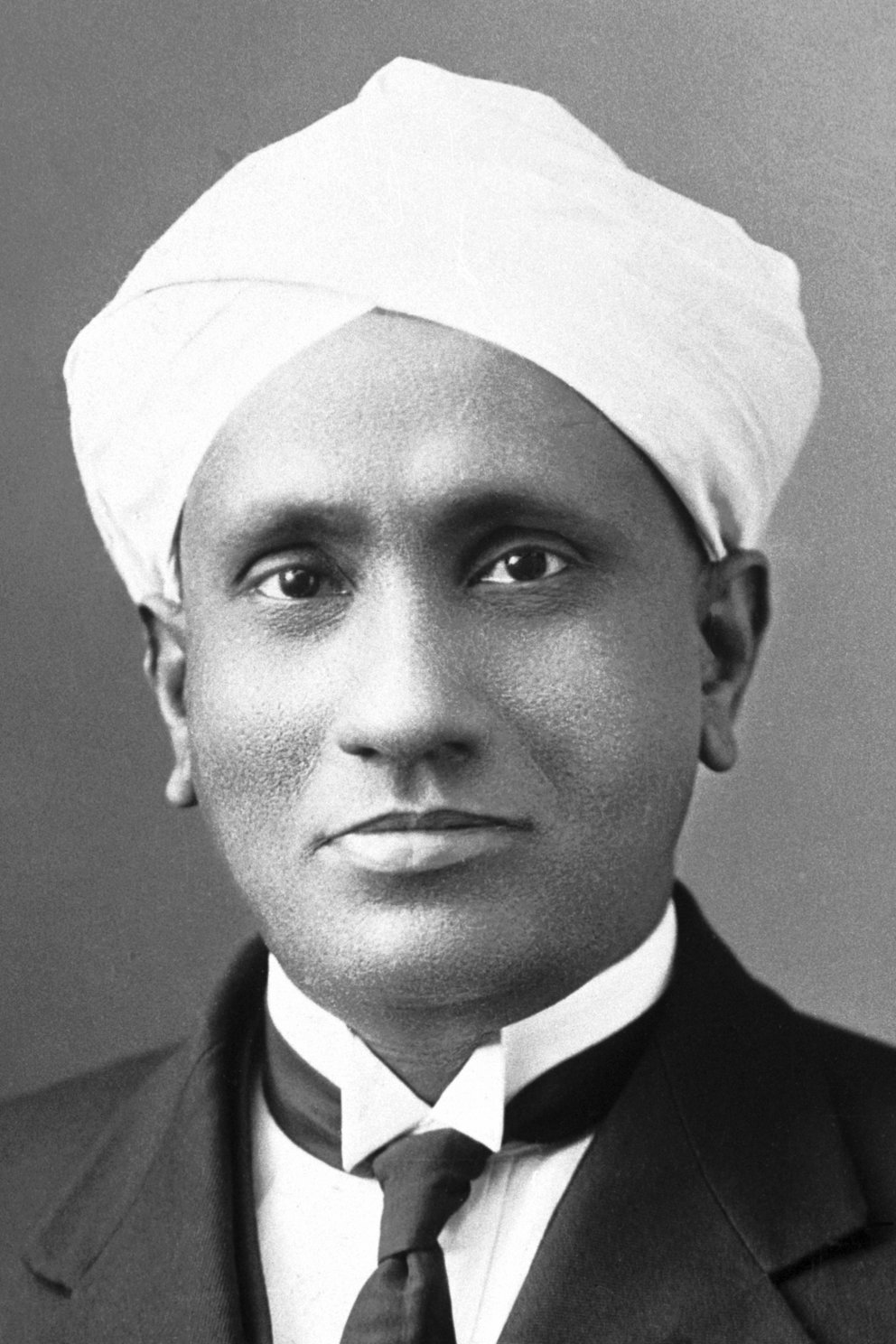
Portrait of Abdus Salam

Abdus Salam. Bart Molendijk / Anefo. CC BY-SA 3.0 nl.

Historical person · 20th century

Abdus Salam

1926–1996

Pakistani theoretical physicist who advanced electroweak theory and built international opportunities for scientists from developing countries.
Explore Quantum RevolutionRead biography ↓

Your next chapter starts here

Take history with you.

Create a free account or log in to download this guide as a PDF. Reading on the website is always free.

Create free account
Quick answers

What to know about Abdus Salam

Direct answers to common questions about Abdus Salam, followed by the full sourced biography.

Who was Abdus Salam?

Pakistani theoretical physicist who advanced electroweak theory and built international opportunities for scientists from developing countries. Pakistani theoretical physicist who advanced electroweak theory and built international opportunities for scientists from developing countries.
What is Abdus Salam known for?

Abdus Salam is particularly known for Electroweak theory, Founding ICTP.

When did Abdus Salam live?

Abdus Salam lived 1926–1996. This profile places that life within 20th century and Quantum Revolution.

Why is Abdus Salam historically significant?

Salam joined Imperial College London in 1957 and helped establish its theoretical physics group. This university base complemented rather than replaced his international institution-building in Trieste. His work on electroweak theory was recognized jointly with Sheldon Glashow and Steven Weinberg, underscoring that the achievement emerged from related contributions by several.

Biography

Abdus Salam: life and legacy

Overview

Pakistani theoretical physicist who advanced electroweak theory and built international opportunities for scientists from developing countries.

Theory and international recognition

Abdus Salam was born in Jhang, then in British India, and studied in Lahore before winning a scholarship to Cambridge. His doctoral research established an international reputation in theoretical physics. Returning to Pakistan, he encountered the isolation faced by researchers without strong libraries or active specialist networks. He later resumed work in Britain and contributed to the theoretical unification of weak and electromagnetic interactions, sharing the 1979 Nobel Prize in Physics.

Reducing scientific isolation

Salam treated access to research communities as a central scientific problem. In 1964 he founded the International Centre for Theoretical Physics in Trieste, where researchers from developing countries could maintain contact with advanced work without permanently leaving their home institutions. The project reflected his own experience of intellectual isolation in Lahore. He directed the center until 1993, pairing fundamental research with an institutional effort to broaden who could participate in international science.

A research group in London

Salam joined Imperial College London in 1957 and helped establish its theoretical physics group. This university base complemented rather than replaced his international institution-building in Trieste. His work on electroweak theory was recognized jointly with Sheldon Glashow and Steven Weinberg, underscoring that the achievement emerged from related contributions by several researchers. The later observation of the W and Z particles provided crucial experimental support for that theoretical framework. Salam’s career thus connected mathematical theory, collaborative academic infrastructure, and experiments performed by much larger international teams.

Key moments

Timeline

  1. Born

    Abdus Salam's life began in 1926.

  2. Won a scholarship to Cambridge.

  3. Returned to teach in Lahore.

  4. Formally received his doctorate.

  5. Founded the International Centre for Theoretical Physics.

  6. Shared the Nobel Prize in Physics.

  7. Ended his directorship of ICTP.

  8. Died

    Abdus Salam died in 1996.

Connections

Related people

Test your knowledge

Related quizzes

Evidence

Sources and further reading

  1. Abdus Salam: biography and researchictp.it
  2. Abdus Salam: biography and researchimperial.ac.uk
  3. Abdus Salam: biography and researchimperial.ac.uk
  4. Biographical records and portraitsNational Portrait Gallery
  5. Historical people and primary sourcesLibrary of Congress
  6. Historical figuresEncyclopaedia Britannica

Biographical claims are summarised from the sources above. Interpretation and disputed reputations are identified in the text rather than presented as settled fact.

Milestone unlocked!

Your completed quizzes are building a history of their own.