Who was Niels Bohr?
Danish physicist who developed an influential atomic model and made Copenhagen a center of quantum research. Danish physicist who developed an influential atomic model and made Copenhagen a center of quantum research.
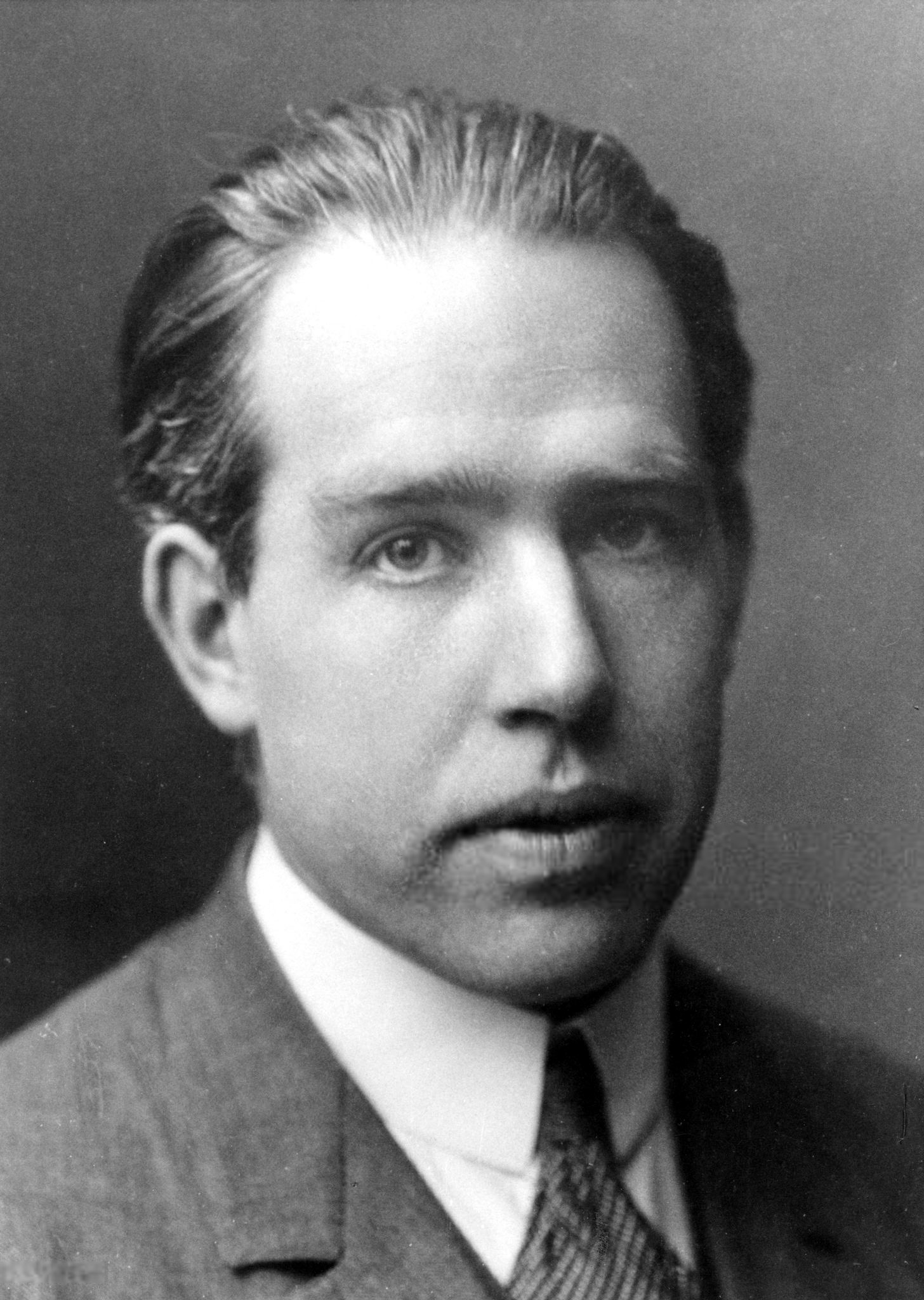
Niels Bohr. AB Lagrelius & Westphal. Public domain.
1885–1962
Danish physicist who developed an influential atomic model and made Copenhagen a center of quantum research.
Direct answers to common questions about Niels Bohr, followed by the full sourced biography.
Danish physicist who developed an influential atomic model and made Copenhagen a center of quantum research. Danish physicist who developed an influential atomic model and made Copenhagen a center of quantum research.
Niels Bohr is particularly known for His quantum model of the atom, Copenhagen's physics institute.
Niels Bohr lived 1885–1962. This profile places that life within 20th century and Quantum Revolution.
The Copenhagen institute did not arise automatically from Bohr’s scientific reputation. Its creation required fundraising, negotiations over a site, and parliamentary support. Private contributions helped move the project forward, while the planned institution connected teaching and research within the university. Opening the building in 1921 supplied a durable setting for collaboration.
Danish physicist who developed an influential atomic model and made Copenhagen a center of quantum research.
Niels Bohr earned his doctorate in Copenhagen in 1911 and continued research in Britain. In 1913 he proposed an atomic model that used discrete energy states to explain features of atomic spectra. The model brought quantum assumptions into the description of atomic structure, offering a powerful explanation while also exposing the limits of classical physics. His work earned the 1922 Nobel Prize and helped set the research agenda for a generation of physicists.
Bohr became a professor in Copenhagen in 1916 and led the Institute for Theoretical Physics from its opening in 1921. The institute attracted researchers from different countries and became a major setting for the development and interpretation of quantum mechanics. During the Second World War he fled occupied Denmark and contributed to the Allied atomic project. Returning after the war, he resumed his role in international science and promoted discussion of the responsibilities created by nuclear technology.
The Copenhagen institute did not arise automatically from Bohr’s scientific reputation. Its creation required fundraising, negotiations over a site, and parliamentary support. Private contributions helped move the project forward, while the planned institution connected teaching and research within the university. Opening the building in 1921 supplied a durable setting for collaboration that a personal appointment alone could not provide. Bohr’s influence therefore operated through both ideas and organization: he helped create the spaces, appointments, and conversations through which young researchers could test emerging theories and develop international professional relationships.
Niels Bohr's life began in 1885.
Niels Bohr died in 1962.
Biographical claims are summarised from the sources above. Interpretation and disputed reputations are identified in the text rather than presented as settled fact.