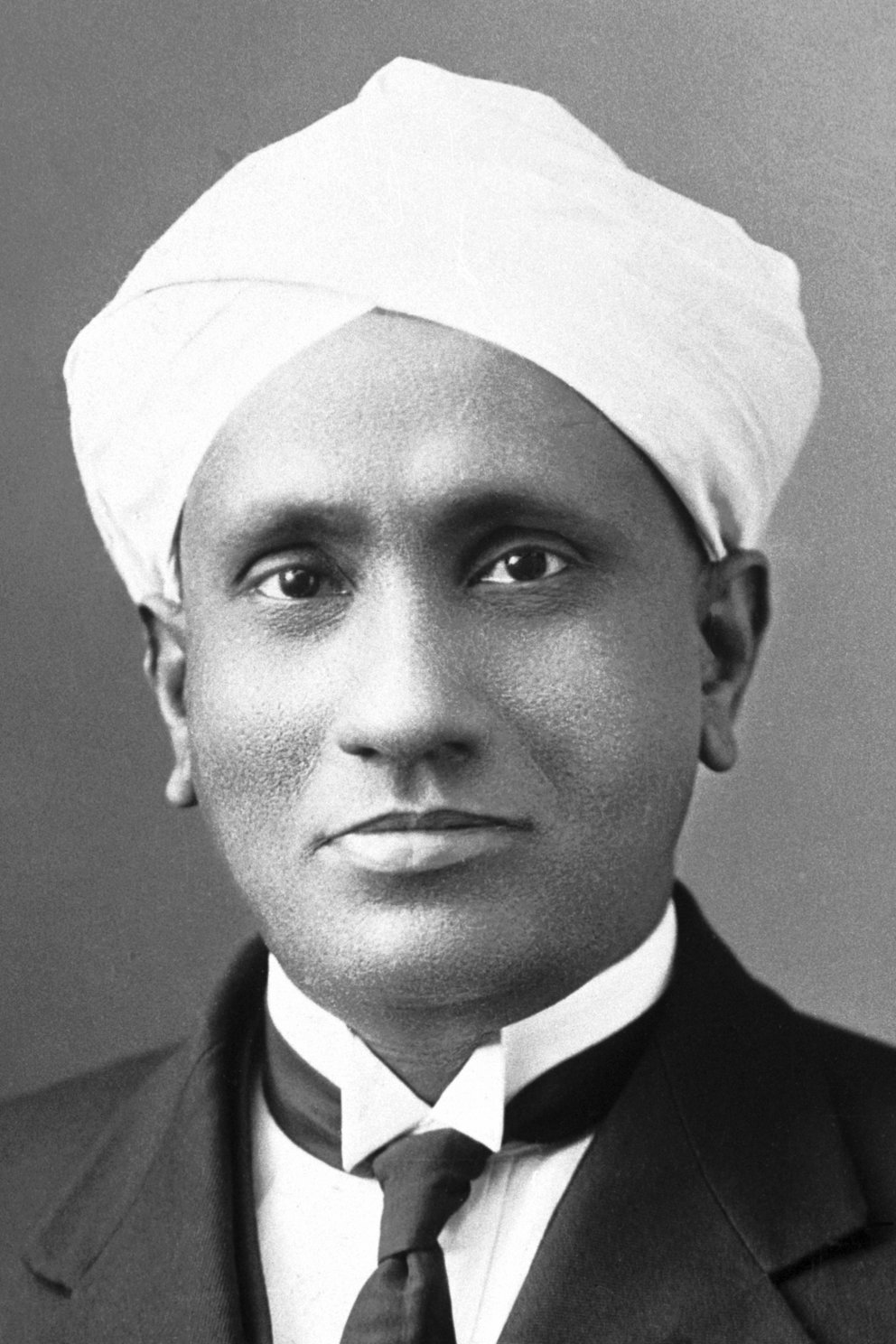
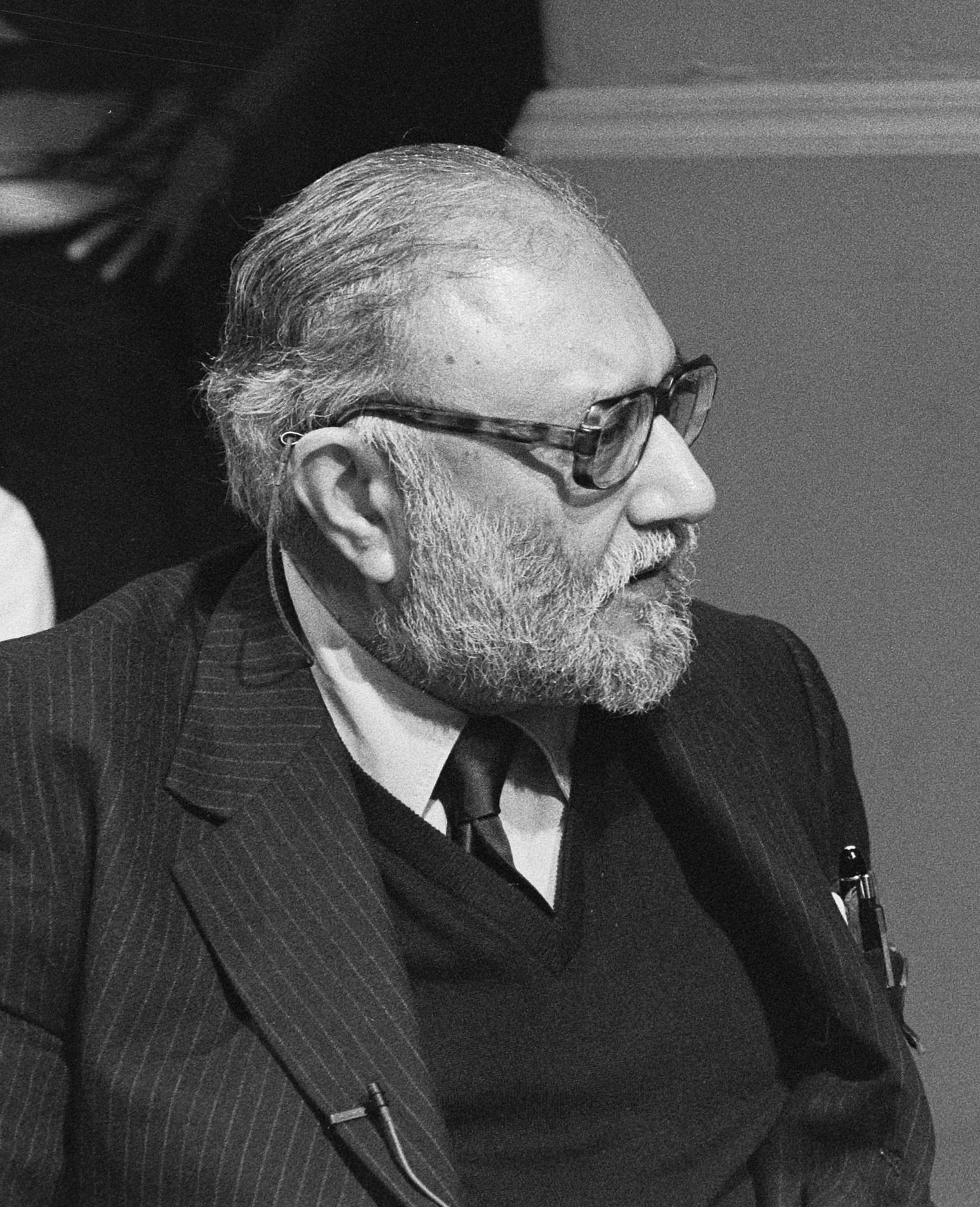
Portrait of C. V. Raman

C. V. Raman. Nobel Foundation. Public domain.

Historical person · 20th century

C. V. Raman

1888–1970

Experimental physicist whose discovery of inelastic light scattering established a powerful method for studying matter.
Explore Quantum RevolutionRead biography ↓

Your next chapter starts here

Take history with you.

Create a free account or log in to download this guide as a PDF. Reading on the website is always free.

Create free account
Quick answers

What to know about C. V. Raman

Direct answers to common questions about C. V. Raman, followed by the full sourced biography.

Who was C. V. Raman?

Experimental physicist whose discovery of inelastic light scattering established a powerful method for studying matter. Experimental physicist whose discovery of inelastic light scattering established a powerful method for studying matter.
What is C. V. Raman known for?

C. V. Raman is particularly known for The Raman effect, Building Indian scientific institutions.

When did C. V. Raman live?

C. V. Raman lived 1888–1970. This profile places that life within 20th century and Quantum Revolution.

Why is C. V. Raman historically significant?

Before his best-known optical discovery, Raman investigated how musical instruments produce their distinctive sounds. His work included bowed and struck strings, resonance, and the vibrations of Indian percussion instruments such as the tabla and mridangam. These investigations brought everyday listening into contact with mathematical and experimental analysis. They also show continuity.

Biography

C. V. Raman: life and legacy

Overview

Experimental physicist whose discovery of inelastic light scattering established a powerful method for studying matter.

Research alongside public employment

Chandrasekhara Venkata Raman studied at Presidency College in Madras and entered government financial service in Calcutta in 1907. He continued experimental research at the Indian Association for the Cultivation of Science outside his official duties. His interests ranged from musical instruments and vibration to optics. In 1917 he moved into a university physics position, turning an already productive research practice into a full-time scientific career grounded in close observation and experiment.

Scattered light and scientific institutions

In 1928 Raman and his collaborators demonstrated that scattered light can contain frequencies different from those of the incident light. The Raman effect became a means of investigating molecular structure and earned him the 1930 Nobel Prize in Physics. He also helped build Indian scientific institutions, founding the Indian Academy of Sciences in 1934. After retirement from the Indian Institute of Science, he established the Raman Research Institute in 1948 and continued research there until his death.

Sound as an experimental starting point

Before his best-known optical discovery, Raman investigated how musical instruments produce their distinctive sounds. His work included bowed and struck strings, resonance, and the vibrations of Indian percussion instruments such as the tabla and mridangam. These investigations brought everyday listening into contact with mathematical and experimental analysis. They also show continuity between apparently separate research interests: whether studying a vibrating surface or scattered light, he sought physical explanations for observable patterns. His scientific career should therefore not be reduced to a single discovery, however consequential that discovery became.

Key moments

Timeline

  1. Born

    C. V. Raman's life began in 1888.

  2. Entered financial service while continuing physics research.

  3. Accepted a university physics position.

  4. Discovered the Raman effect with collaborators.

  5. Received the Nobel Prize in Physics.

  6. Founded the Indian Academy of Sciences.

  7. Founded the Raman Research Institute.

  8. Died

    C. V. Raman died in 1970.

Connections

Related people

Test your knowledge

Related quizzes

Evidence

Sources and further reading

  1. C. V. Raman: biography and researchdspace.rri.res.in
  2. C. V. Raman: biography and researchrri.res.in
  3. C. V. Raman: biography and researchdst.gov.in
  4. Biographical records and portraitsNational Portrait Gallery
  5. Historical people and primary sourcesLibrary of Congress
  6. Historical figuresEncyclopaedia Britannica

Biographical claims are summarised from the sources above. Interpretation and disputed reputations are identified in the text rather than presented as settled fact.

Milestone unlocked!

Your completed quizzes are building a history of their own.