Computing history includes the people who calculated long before computers became familiar machines. Scientific institutions employed human computers to process data and solve numerical problems. Electronic systems transformed this work, but their adoption depended on programming, training and changes to the organisation of labour.
Topic guide
History of Computing
From human calculation to electronic machines, programming and institutional change.
Start here
Overview
Key questions answered
History of Computing explained
Begin with clear answers, then use the full guide, timeline, people, stories and quizzes below.
What is History of Computing?
From human calculation to electronic machines, programming and institutional change. Computing history includes the people who calculated long before computers became familiar machines. Scientific institutions employed human computers to process data and solve numerical problems. Electronic systems transformed this work, but their adoption depended on programming, training and changes to.
When did History of Computing happen?
The guide follows major developments from 1943 (Vaughan joins NACA) to 30 April 1993 (Web software released freely). The full chronology below explains the changes between them.
What should you know about History of Computing?
The essential areas are The people behind calculation, Learning to program, Electronic calculation becomes public, A web for sharing research, Openness and adoption. Each section below explains the evidence and historical connections.
Why does History of Computing matter?
Computing history includes the people who calculated long before computers became familiar machines. Scientific institutions employed human computers to process data and solve numerical problems. Electronic systems transformed this work, but their adoption depended on programming, training and changes to the organisation of labour.
Build your understanding
The essential guide
The people behind calculation
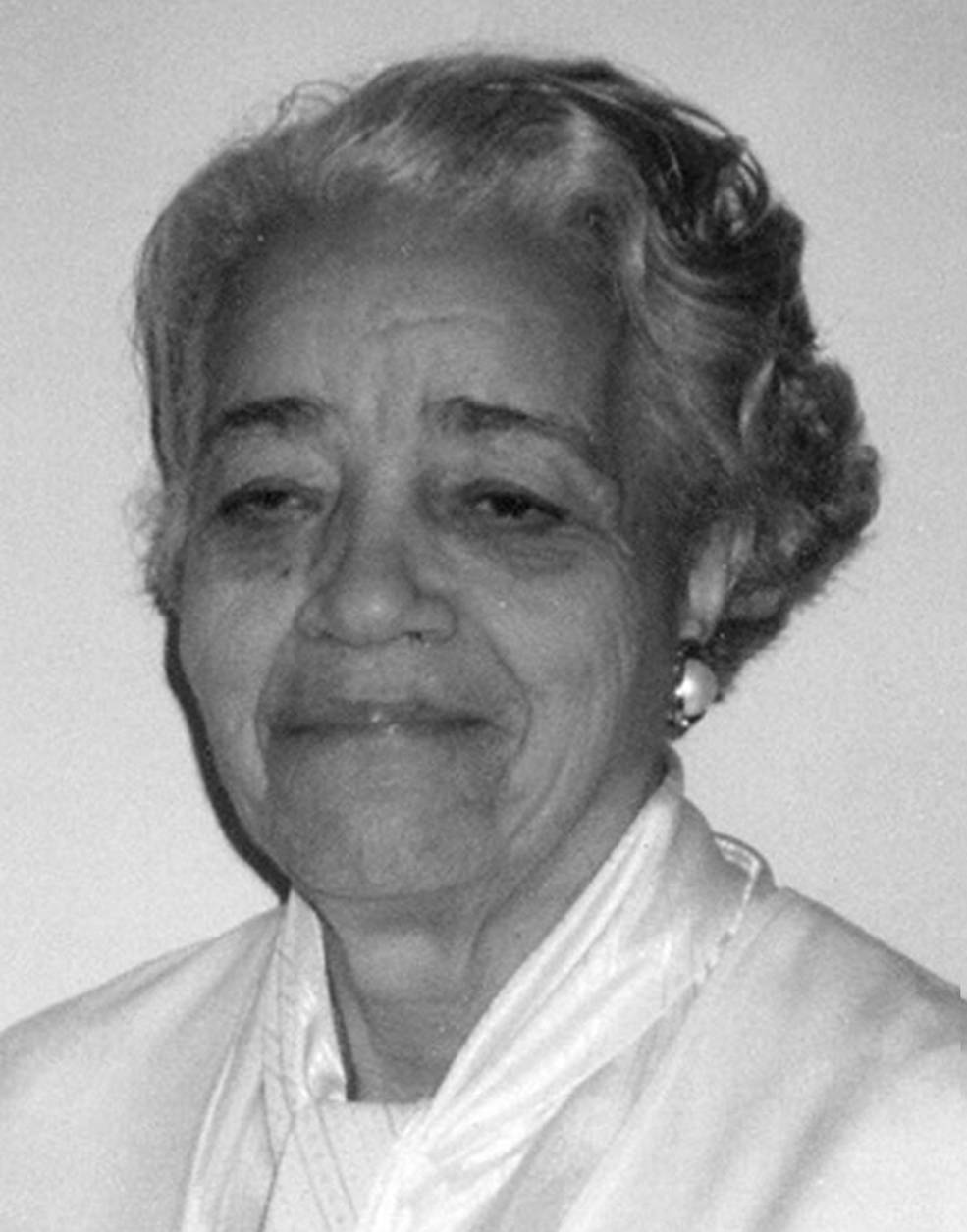
At the American aeronautical laboratory at Langley, women performed essential mathematical work. Racial segregation shaped their working conditions. Dorothy Vaughan led the West Area Computing group and supported colleagues' careers. Katherine Johnson's trajectory calculations show how mathematical judgement remained crucial even as electronic systems became more prominent.
Learning to program
The transition to electronic computing did not simply remove human expertise. It changed the skills institutions needed. Vaughan learned FORTRAN and helped colleagues prepare for machine-based work. Examining these careers makes visible the mathematical, technical and managerial labour that histories focused only on hardware can overlook.
Electronic calculation becomes public
ENIAC was publicly unveiled in 1946, offering a striking example of large-scale electronic calculation. It belonged to a period when computers were expensive installations rather than personal possessions. The machine's historical importance should not erase other devices or the teams who configured and maintained it. Claims about the first computer depend on definitions: electronic, programmable, general-purpose and stored-program describe different properties. Identifying those properties is more informative than awarding an unqualified first. It also helps explain why the transition from human calculation to machines involved several overlapping technical changes, not one replacement on a single date.
A web for sharing research
Tim Berners-Lee proposed the World Wide Web at CERN in 1989 as a way to link and share information across a dispersed research community. By the end of 1990, the first server and browser software existed. The Web combined network access with linked documents, making it easier to move between related information held on different computers. It was not the invention of the internet itself. Distinguishing the underlying communications network from the service built upon it explains both the Web's novelty and its dependence on earlier infrastructure, standards and research computing practices.
Openness and adoption
On 30 April 1993, CERN made the Web software available on a royalty-free basis. This decision mattered because organisations could adopt the technology without paying the laboratory for permission. CERN's institutional history connects that release with the arrival of more accessible browsers and the rapid expansion of use beyond specialist physics. Computing history therefore concerns licensing and collaboration as well as engineering. A technically capable system may spread differently depending on who controls it, which computers can run it and whether people can build compatible tools. The Web's growth illustrates the importance of those social and institutional choices.
Chronology
Key dates
Vaughan joins NACA
She began work in segregated wartime computing.
ENIAC unveiled
Electronic general-purpose calculation became a major public technological story.
West Computing leadership
Vaughan became head of the group.
Institutional transition
NACA became NASA and computing groups were integrated.
Orbital calculation checks
Johnson checked calculations for John Glenn's orbital flight.
Web proposed at CERN
Tim Berners-Lee proposed a linked information-sharing system.
Web software released freely
CERN made its Web software available on a royalty-free basis.
Read more
Essential stories
Begin with the foundations, then move into the events, people and debates that add detail and complexity.
No verified stories have been assigned to this topic yet.
Test yourself
Available quizzes
 Medium
History of Computing
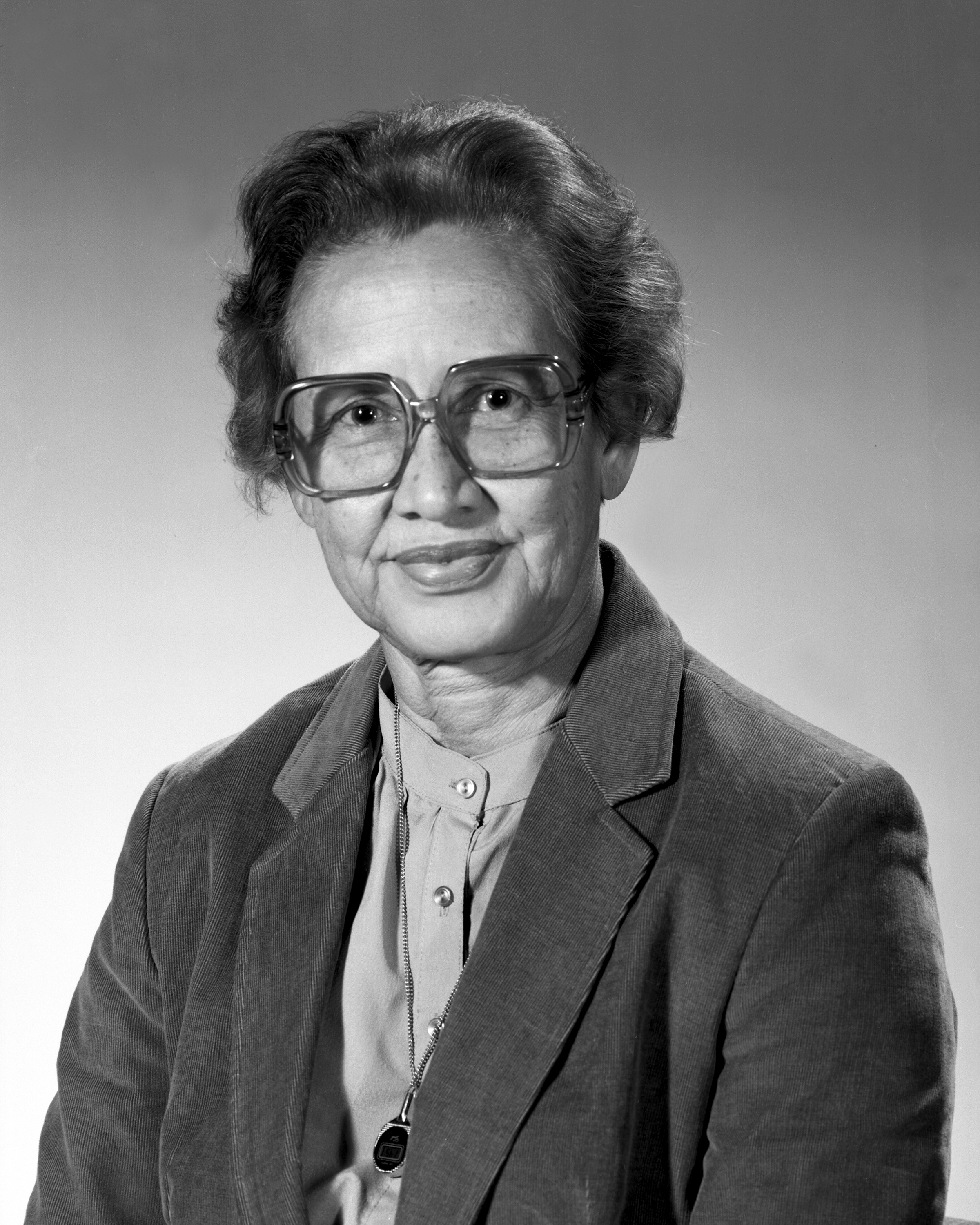
Katherine Johnson
Five questions on Katherine Johnson's work, decisions and achievements, with explanations and sources after each answer.
Start quiz →MediumHistory of Computing
Dorothy Vaughan
Five questions on Dorothy Vaughan's work, decisions and achievements, with explanations and sources after each answer.
Start quiz →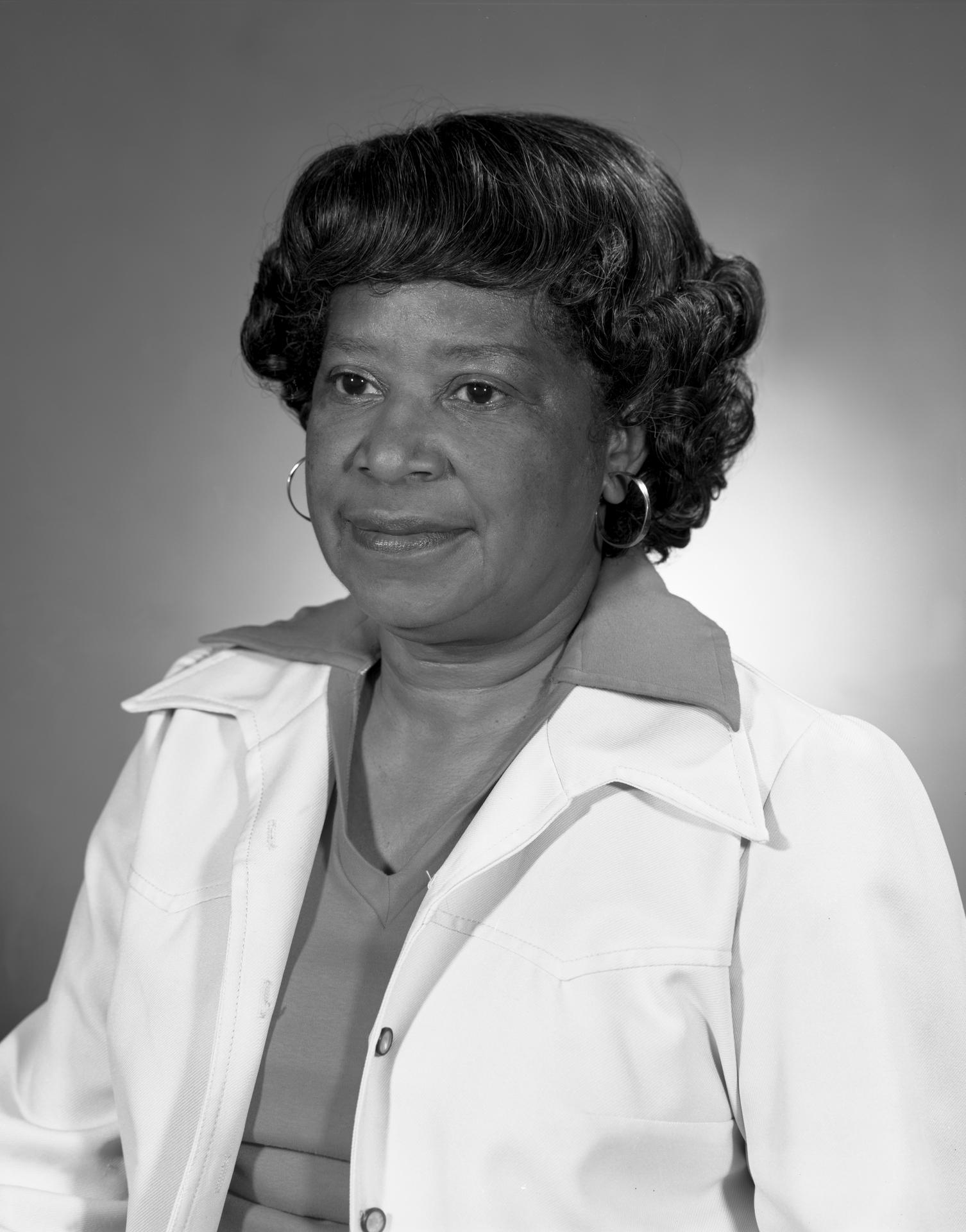 Medium
History of Computing
Mary Jackson
Five questions on Mary Jackson's work, decisions and achievements, with explanations and sources after each answer.
Start quiz →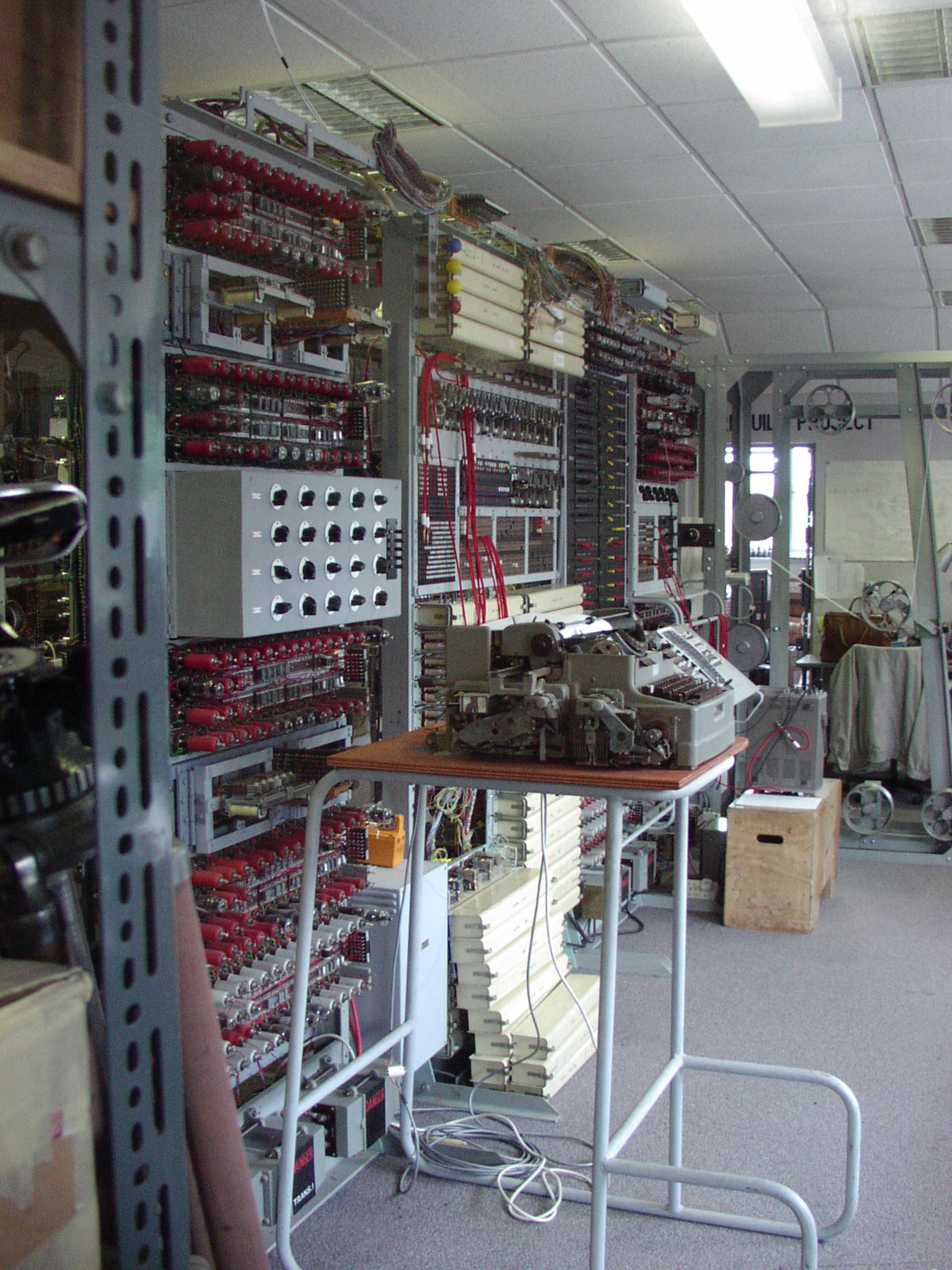 Hard
History of Computing
Colossus: Inside Wartime Codebreaking
Separate the machines, methods and people behind the attack on high-level German messages.
Start quiz →People
Events
No events are currently assigned.
Continue learning