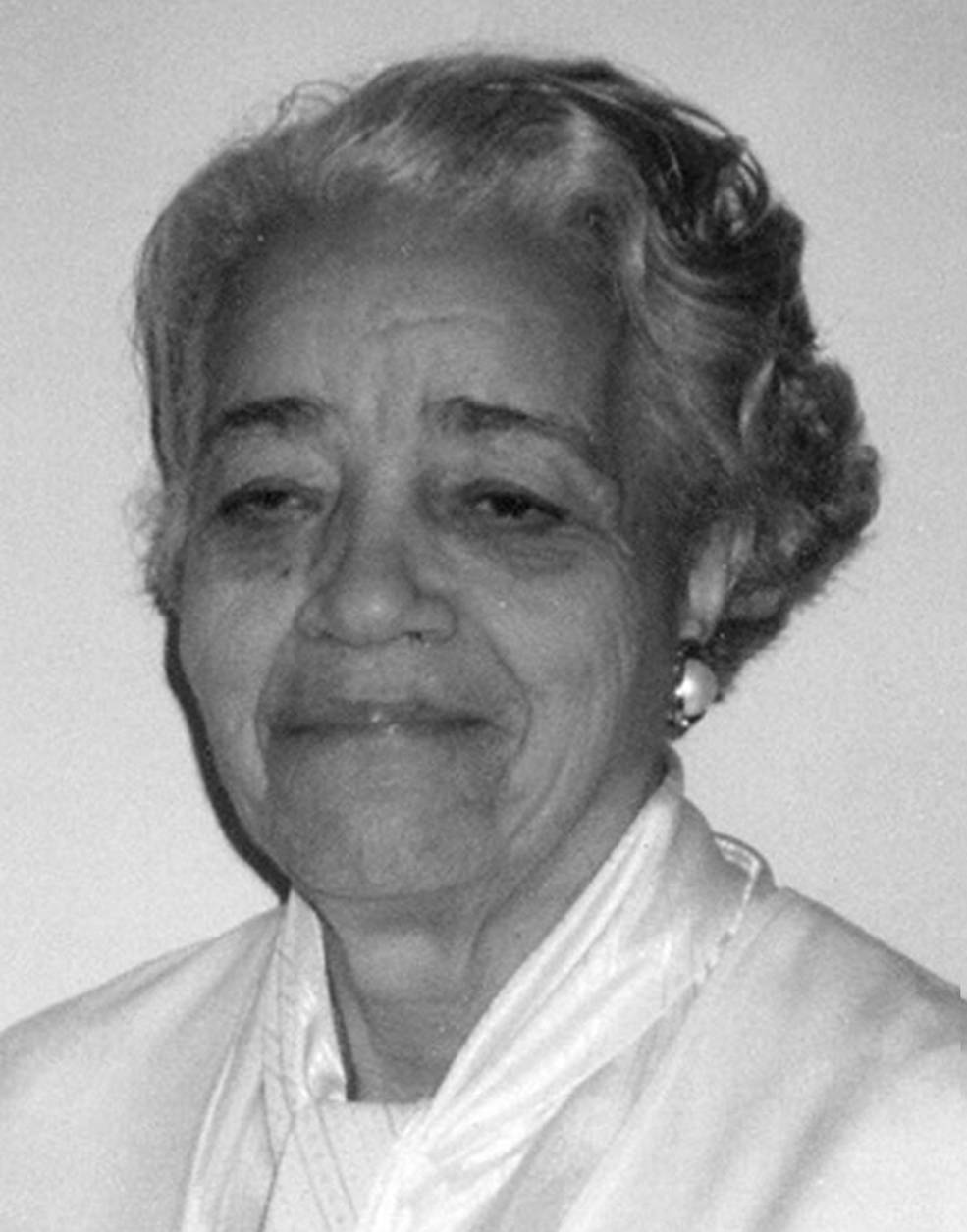
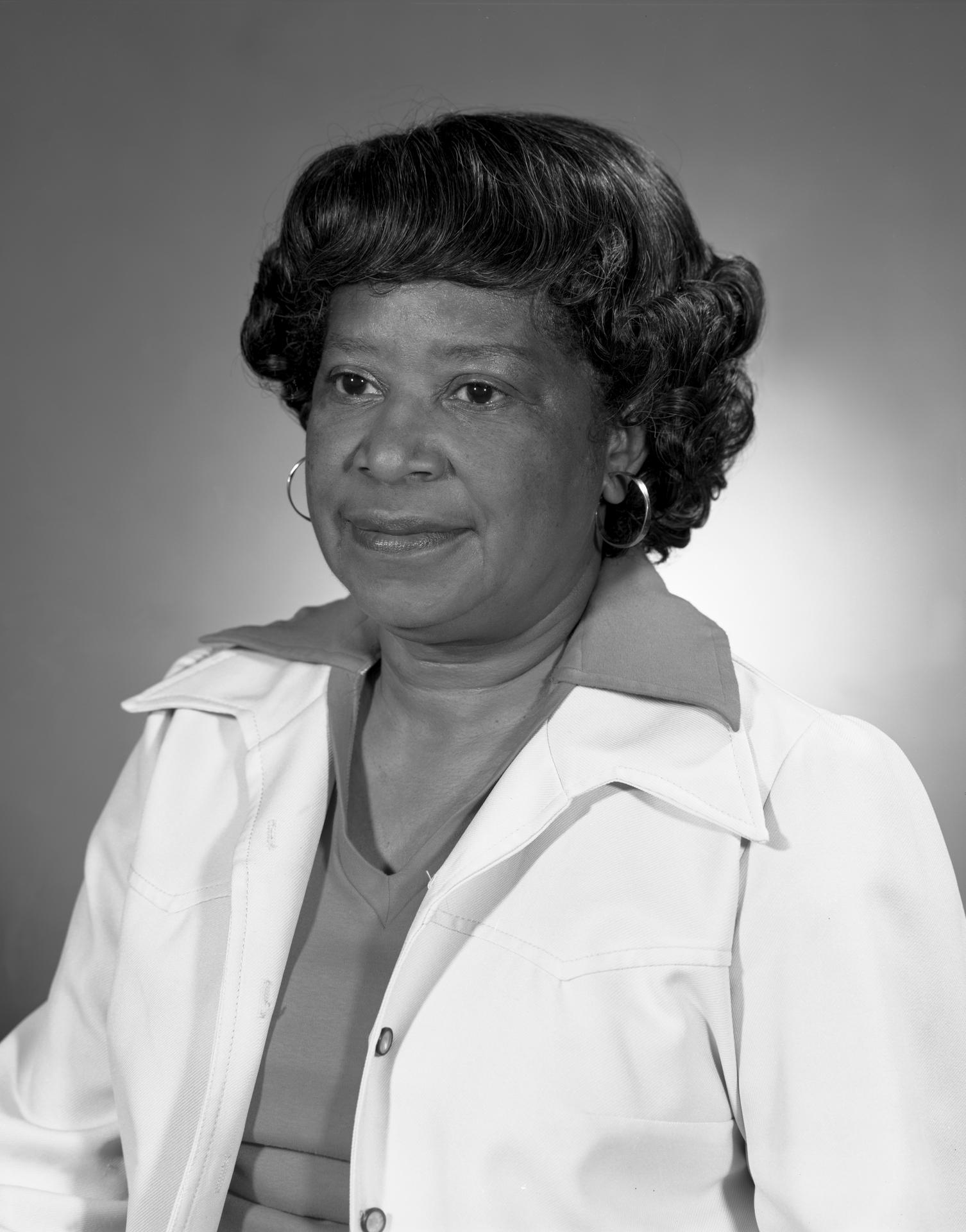
Who was Katherine Johnson?
Mathematician whose trajectory and orbital calculations supported pioneering American spaceflights. Mathematician whose trajectory and orbital calculations supported pioneering American spaceflights.
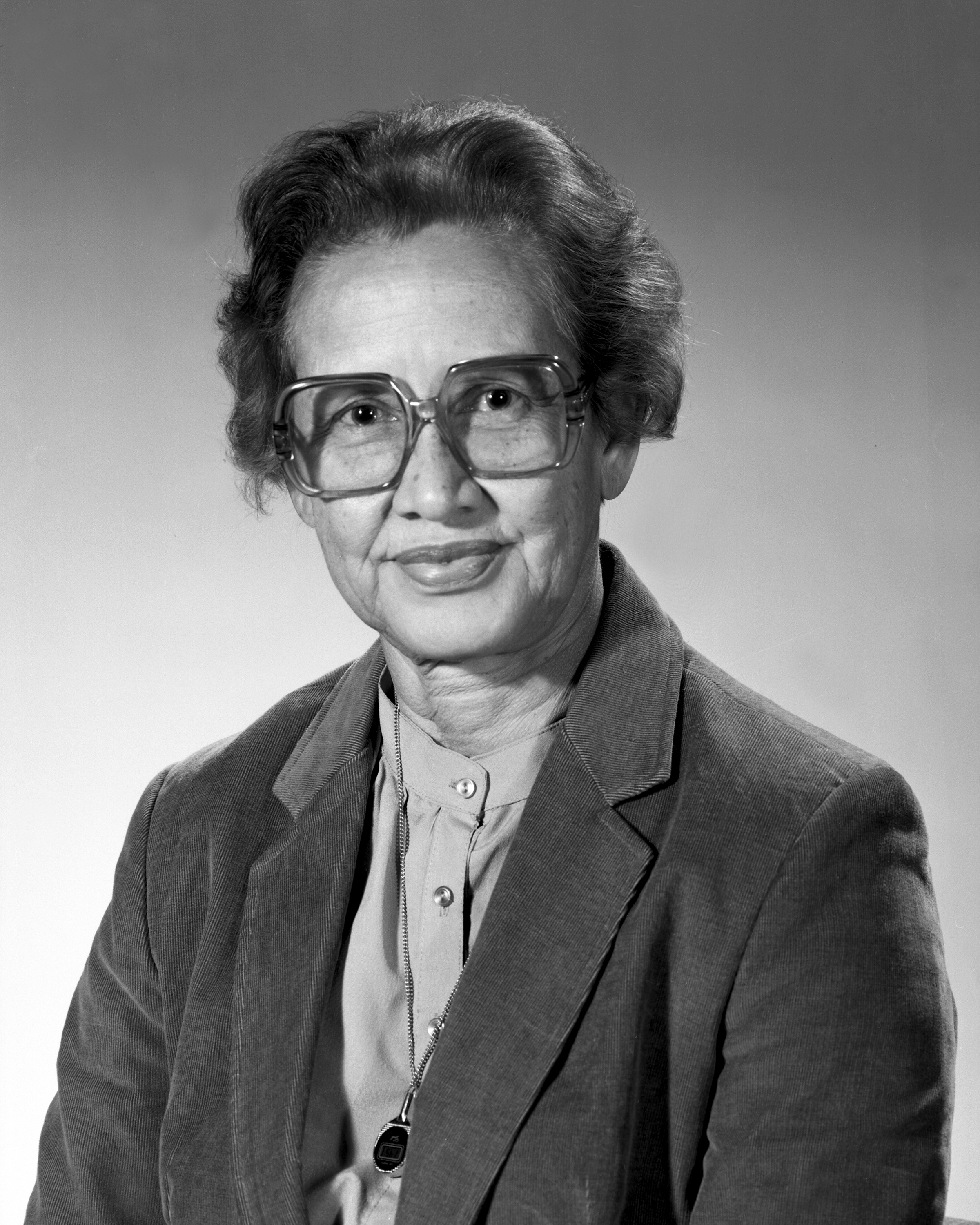
Katherine Johnson. NASA. Public domain.
1918–2020
Mathematician whose trajectory and orbital calculations supported pioneering American spaceflights.
Direct answers to common questions about Katherine Johnson, followed by the full sourced biography.
Mathematician whose trajectory and orbital calculations supported pioneering American spaceflights. Mathematician whose trajectory and orbital calculations supported pioneering American spaceflights.
Katherine Johnson is particularly known for Spaceflight trajectory calculations, Checking John Glenn's orbital calculations.
Katherine Johnson lived 1918–2020. This profile places that life within 20th century and History of Computing.
Public recognition of Johnson expanded dramatically late in her life, but her accomplishments belonged to decades of technical employment rather than a newly discovered talent. NASA’s memorials situated her within Langley’s institutional history and the broader development of American spaceflight. The contrast between the timing of her work and the timing of popular attention is.
Mathematician whose trajectory and orbital calculations supported pioneering American spaceflights.
Katherine Johnson joined Langley’s segregated West Area Computing section in 1953. Dorothy Vaughan soon assigned her to flight-research work, where she analyzed aircraft-test data and investigated problems including wake turbulence. Johnson pressed for access to technical discussions and recognition as a research contributor. Her career developed during the transition from aeronautics to space exploration, when mathematical models had to translate a proposed journey into a trajectory that engineers and mission controllers could use.
Johnson calculated the trajectory for Alan Shepard’s 1961 spaceflight and checked electronic-computer results before John Glenn’s orbital mission in 1962. Her work also supported the Apollo program and later space research. These contributions show how human analysis and electronic computation developed together rather than replacing one another instantly. She retired in 1986 and received the Presidential Medal of Freedom in 2015, as wider recognition drew attention to Black women’s long-overlooked work in aerospace.
Public recognition of Johnson expanded dramatically late in her life, but her accomplishments belonged to decades of technical employment rather than a newly discovered talent. NASA’s memorials situated her within Langley’s institutional history and the broader development of American spaceflight. The contrast between the timing of her work and the timing of popular attention is historically important. It demonstrates how assumptions about race and gender shaped whose labor appeared in public accounts, even when colleagues already relied on that labor for demanding research and mission planning.
Katherine Johnson's life began in 1918.
Completed her degree in mathematics and French with highest honours, then became a teacher.
Entered the mathematics programme as one of three Black students selected to integrate the university's graduate schools.
With Ted Skopinski, published equations for placing a satellite over a specified position on Earth.
Katherine Johnson died in 2020.
Biographical claims are summarised from the sources above. Interpretation and disputed reputations are identified in the text rather than presented as settled fact.