BiographyDorothy Vaughan: life and legacy
Overview
Mathematician and computing supervisor who helped Langley move from human calculation into electronic programming.
Leading West Area Computing
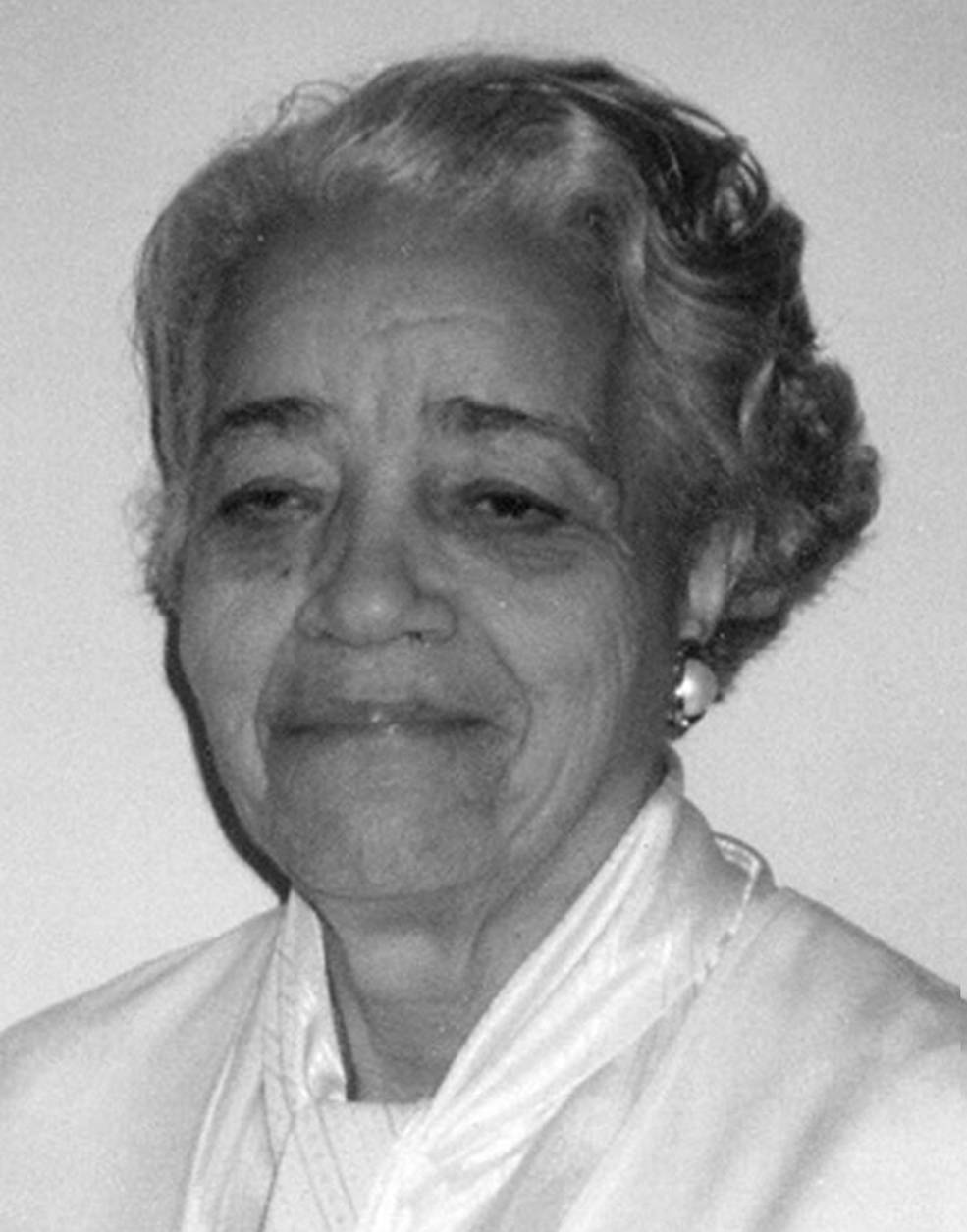
Dorothy Vaughan joined the National Advisory Committee for Aeronautics in December 1943, when wartime research created demand for mathematical labor. Assigned to Langley’s segregated West Area Computing group, she worked within an institution that separated Black women from white colleagues in both offices and facilities. She became the group’s acting head in 1949 and subsequently its formal supervisor, allocating work and advocating for the women whose calculations supported aeronautical research across the laboratory.
Adapting to electronic computing
When NACA became NASA in 1958, the segregated computing office was dissolved. Vaughan joined the integrated Analysis and Computation Division and became proficient in FORTRAN, helping bridge older calculation methods and programmable machines. She contributed to the Scout launch-vehicle program and supported colleagues adapting to changing technical demands. Although she never obtained another management position, her influence continued through the careers of researchers she supervised and mentored before retiring in 1971.
Supervision as technical leadership
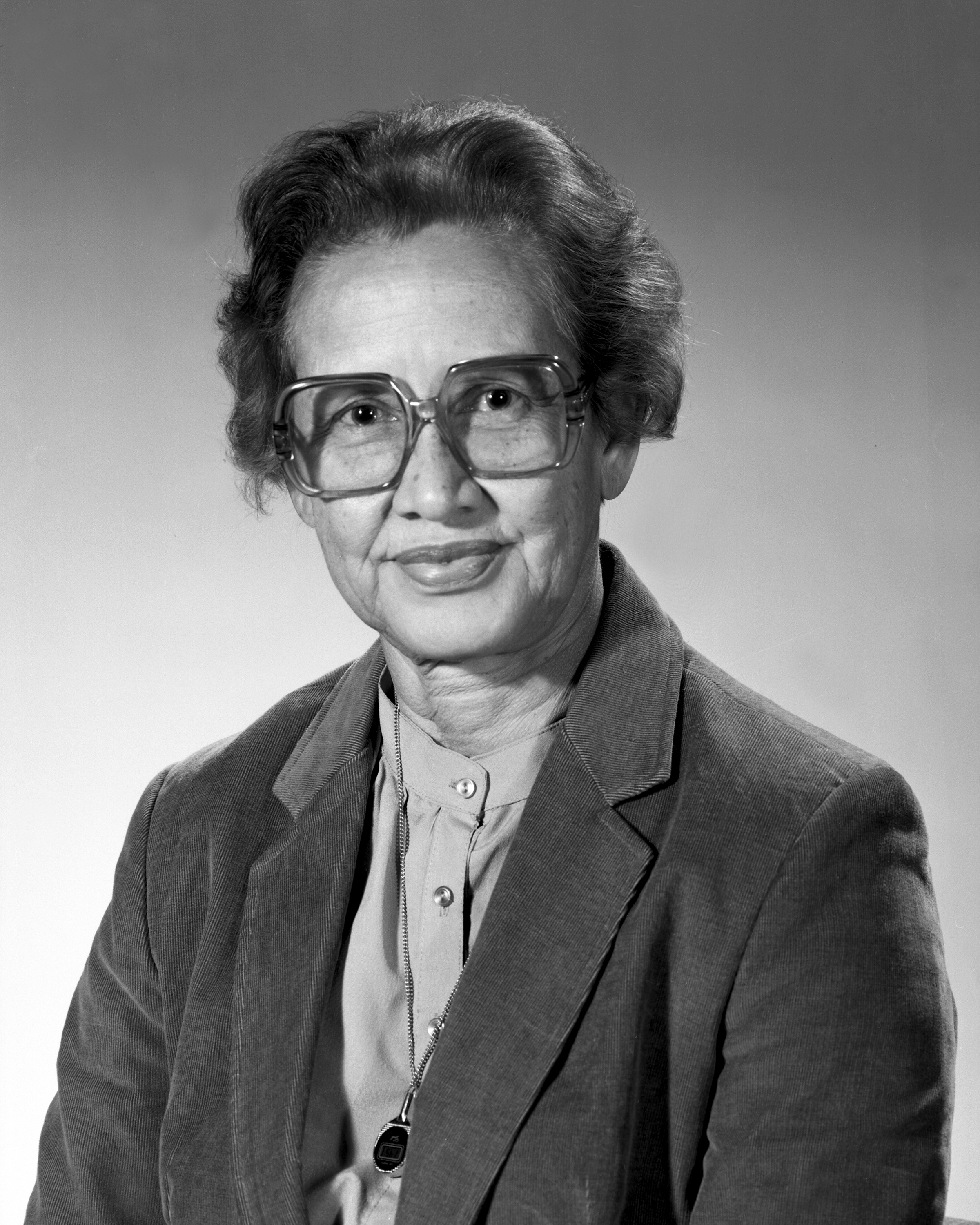
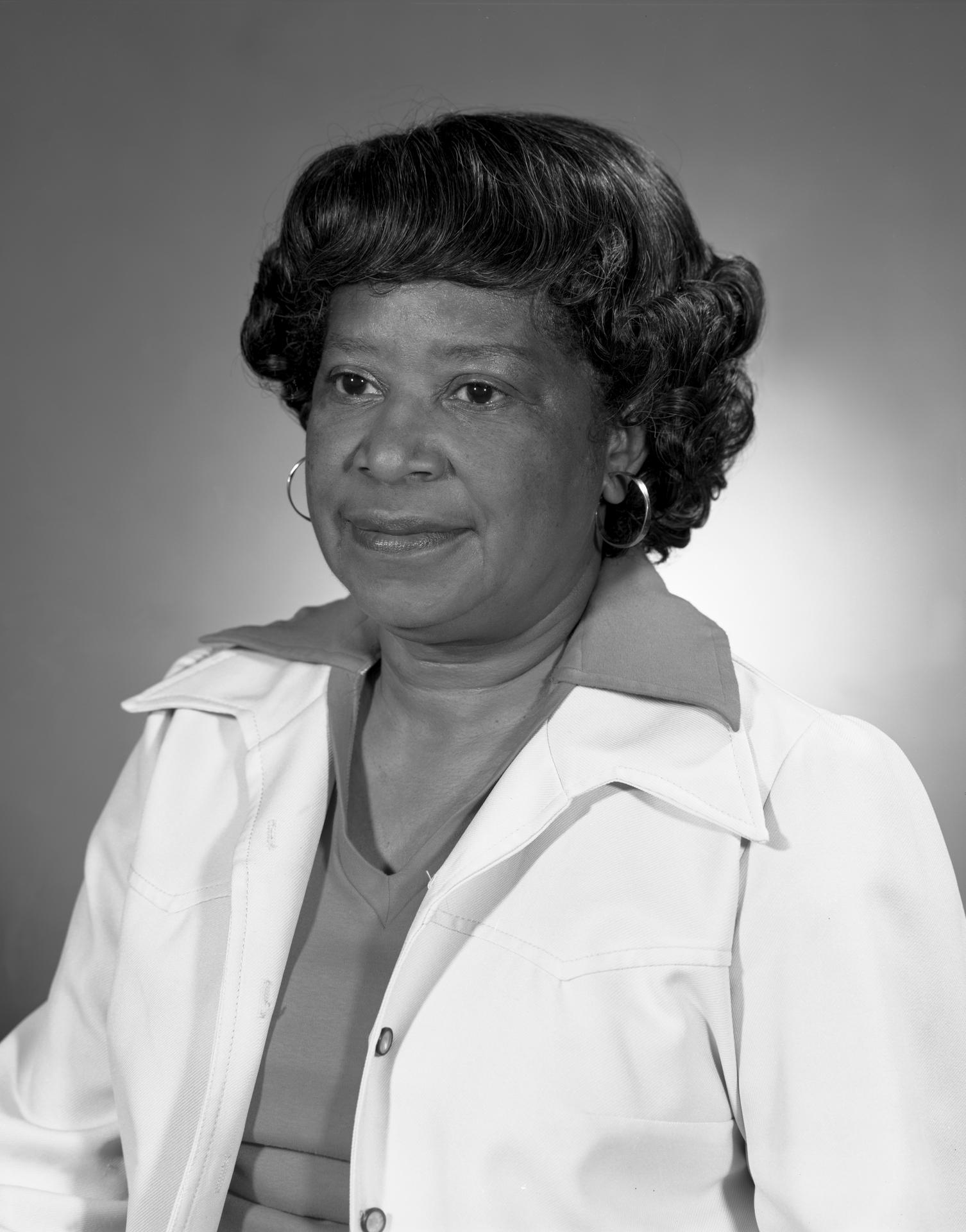
Vaughan’s career makes management visible as part of scientific production. A computing group needed to match skills to assignments, check results, and train workers as research priorities changed. Her leadership connected individuals who later became prominent in their own right, including Katherine Johnson and Mary Jackson. Congressional recognition of the Hidden Figures generation acknowledged this broader community rather than a single isolated achievement. The record also preserves an institutional distinction: Vaughan’s supervisory breakthrough occurred at NACA, before NASA was established, even though her later programming career continued within the new agency.