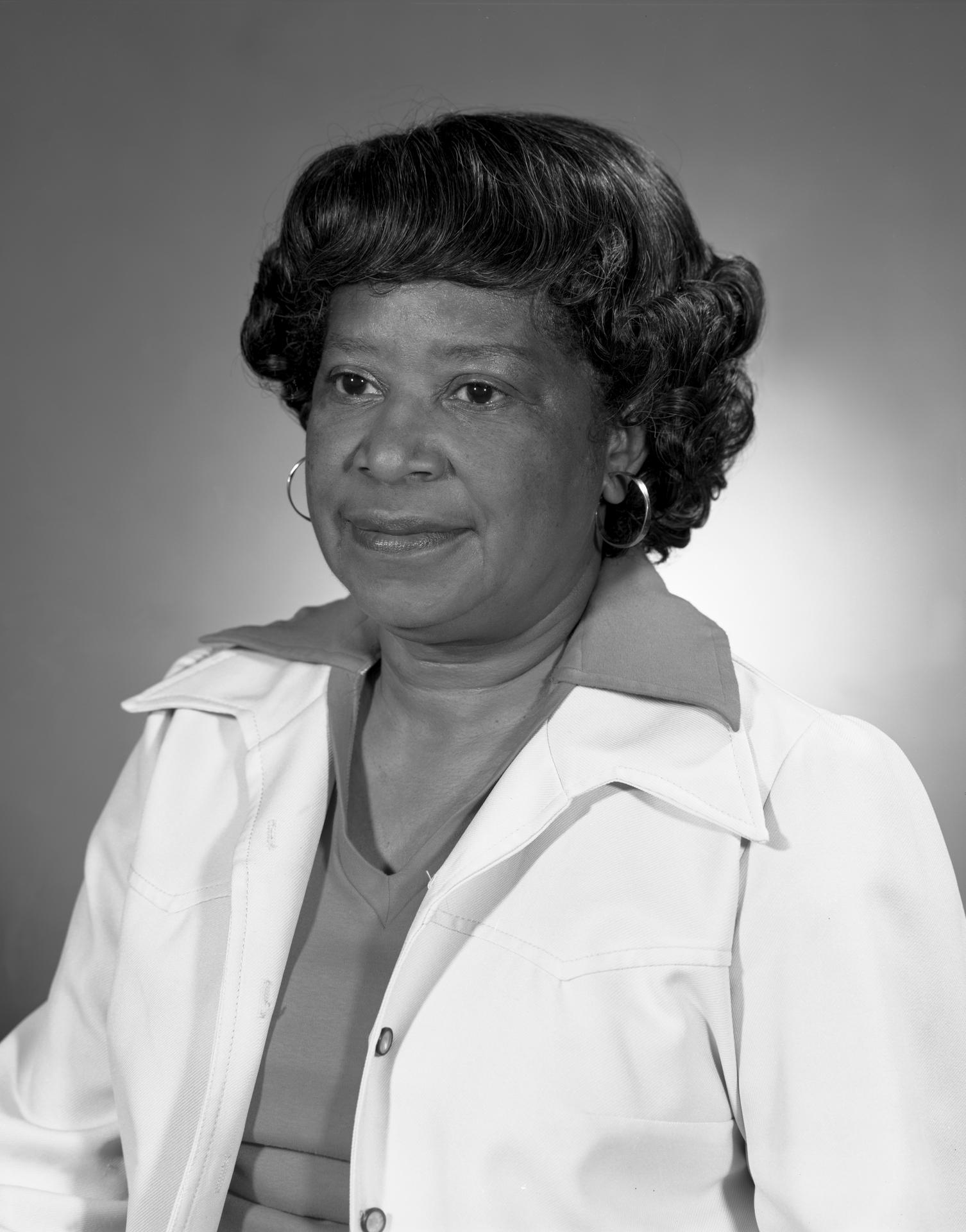
Portrait of Mary Jackson

Mary Jackson. NASA Langley Research Center, Bob Nye. Public domain.

Historical person · 20th century

Mary Jackson

1921–2005

Aeronautical engineer who overcame segregated training barriers and later advanced equal employment opportunities at NASA.
Explore History of ComputingRead biography ↓

Your next chapter starts here

Take history with you.

Create a free account or log in to download this guide as a PDF. Reading on the website is always free.

Create free account
Quick answers

What to know about Mary Jackson

Direct answers to common questions about Mary Jackson, followed by the full sourced biography.

Who was Mary Jackson?

Aeronautical engineer who overcame segregated training barriers and later advanced equal employment opportunities at NASA. Aeronautical engineer who overcame segregated training barriers and later advanced equal employment opportunities at NASA.

What is Mary Jackson known for?

Mary Jackson is particularly known for Aerodynamic research, Advancing equal employment opportunities.

When did Mary Jackson live?

Mary Jackson lived 1921–2005. This profile places that life within 20th century and History of Computing.

Why is Mary Jackson historically significant?

NASA’s decision in 2020 to name its Washington headquarters after Jackson placed a once-overlooked engineer at the symbolic center of the agency. The honor connected technical achievement with the struggle to gain access to professional training and advancement. Her case demonstrates that entering engineering did not automatically remove the barriers encountered later in a career. The.

Biography

Mary Jackson: life and legacy

Overview

Aeronautical engineer who overcame segregated training barriers and later advanced equal employment opportunities at NASA.

From computing to engineering

Mary Jackson entered Langley’s West Area Computing section in 1951 under Dorothy Vaughan. Work with the supersonic pressure tunnel opened a route into engineering, but required additional mathematics and physics courses. Because those classes met at a segregated school, Jackson needed permission to attend. She completed the training and became an engineer in 1958. Her research examined airflow and boundary layers, connecting mathematical analysis with experimental measurements of aircraft behavior.

Changing opportunities for others

Jackson spent roughly two decades producing engineering research before confronting limited promotion prospects. In 1979 she accepted a lower-graded position directing Langley’s Federal Women’s Program, choosing institutional change over further technical advancement. She worked on recruitment and promotion opportunities for women in scientific careers. Her mentoring extended beyond the workplace through community service and support for new employees. She retired in 1985, with a legacy encompassing both aerodynamic research and practical challenges to workplace exclusion.

Remembering an engineering career

NASA’s decision in 2020 to name its Washington headquarters after Jackson placed a once-overlooked engineer at the symbolic center of the agency. The honor connected technical achievement with the struggle to gain access to professional training and advancement. Her case demonstrates that entering engineering did not automatically remove the barriers encountered later in a career. The same employee could produce research, mentor colleagues, and still face a restricted promotion ladder. Remembering all three activities offers a fuller account than describing her simply as the first to cross an institutional threshold.

Key moments

Timeline

  1. Born

    Mary Jackson's life began in 1921.

  2. Graduated from Hampton Institute

    Completed studies in mathematics and physical science before beginning work as a mathematics teacher.

  3. Joined West Area Computing.

  4. Supersonic wind-tunnel research

    Moved from the computing pool to work with Kazimierz Czarnecki, gaining experimental experience that led towards engineering.

  5. Qualified for promotion to engineer.

  6. Co-authored her first research report.

  7. Langley volunteer recognition

    Named Langley's Volunteer of the Year, reflecting community work alongside her research career.

  8. Became Federal Women's Program Manager.

  9. Retired from Langley.

  10. Died

    Mary Jackson died in 2005.

Connections

Related people

Test your knowledge

Related quizzes

Evidence

Sources and further reading

  1. Mary Jackson: biography and researchnasa.gov
  2. Mary Jackson: biography and researchnasa.gov
  3. Mary Jackson: biography and researchgovinfo.gov
  4. Biographical records and portraitsNational Portrait Gallery
  5. Historical people and primary sourcesLibrary of Congress
  6. Historical figuresEncyclopaedia Britannica

Biographical claims are summarised from the sources above. Interpretation and disputed reputations are identified in the text rather than presented as settled fact.

Milestone unlocked!

Your completed quizzes are building a history of their own.