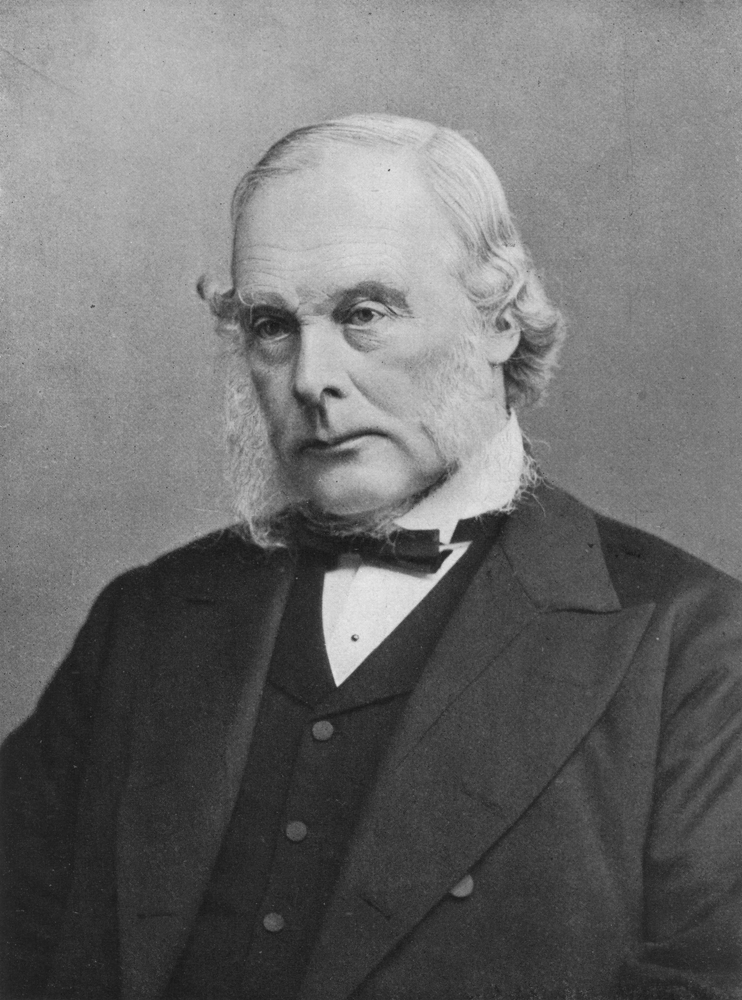
Portrait of Mary Seacole

Mary Seacole. Unknown author Unknown author. Public domain.

Historical person · 19th Century

Mary Seacole

1805–1881

Jamaican healer, businesswoman and memoirist who independently supplied and cared for soldiers during the Crimean War.

Explore History of MedicineRead biography ↓

Your next chapter starts here

Take history with you.

Create a free account or log in to download this guide as a PDF. Reading on the website is always free.

Create free account
Quick answers

What to know about Mary Seacole

Direct answers to common questions about Mary Seacole, followed by the full sourced biography.

Who was Mary Seacole?

Jamaican healer, businesswoman and memoirist who independently supplied and cared for soldiers during the Crimean War. Jamaican healer, businesswoman and memoirist who independently supplied and cared for soldiers during the Crimean War.

What is Mary Seacole known for?

Mary Seacole is particularly known for The British Hotel in Crimea, Wonderful Adventures of Mrs Seacole in Many Lands.

When did Mary Seacole live?

Mary Seacole lived 1805–1881. This profile places that life within 19th Century and History of Medicine.

Why is Mary Seacole historically significant?

Peace brought financial difficulties rather than security. Unsold stock and unpaid debts left Seacole bankrupt in 1856. Supporters organised fundraising, including a military festival in London in 1857, and that year she published Wonderful Adventures of Mrs Seacole in Many Lands. The book preserves her own account, although its vivid recollections still need to be read alongside other.

Biography

Mary Seacole: life and legacy

Overview

Jamaican healer, businesswoman and memoirist who independently supplied and cared for soldiers during the Crimean War.

Learning to care in the Caribbean

Mary Jane Grant grew up in Kingston, Jamaica, where her mother combined running a boarding house with healing. Seacole called herself a doctress, a description rooted in Caribbean medical practice rather than a modern professional qualification. Travellers and military visitors brought both business and illness to the household. Observing and helping her mother gave her practical experience of nursing, food preparation and remedies. Her later career joined these activities together: she was an entrepreneur who treated sick people, not simply an employee of a hospital. She married Edwin Seacole in 1836 and was widowed in 1844.

Travel, disease and discrimination

In 1851 Seacole travelled to Cruces, in present-day Panama, where her half-brother operated a hotel on a route used by people heading for California. She established a restaurant and treated sufferers during a cholera outbreak. Her memoir describes the frightening speed of the disease, her own illness and the prejudices she encountered among travellers. These experiences preceded her journey to the Crimea and explain why she believed she could help soldiers there. When her attempts to obtain an official nursing appointment in Britain failed, she questioned whether racial discrimination had helped exclude her.

What the British Hotel actually did

Seacole and Thomas Day travelled independently to the war zone in 1855. Their British Hotel near Balaklava was principally a supply business, canteen and place of assistance, not a conventional hospital. They sold provisions to officers while Seacole also provided care and visited men near the fighting. The distinction matters: her contribution complemented rather than duplicated the work of organised military hospitals. Contemporary soldiers and the correspondent William Howard Russell praised her help. Her autobiography presents an energetic participant in the campaign, moving between commerce, practical nursing and the hazardous conditions around the siege of Sevastopol.

Bankruptcy, authorship and remembrance

Peace brought financial difficulties rather than security. Unsold stock and unpaid debts left Seacole bankrupt in 1856. Supporters organised fundraising, including a military festival in London in 1857, and that year she published Wonderful Adventures of Mrs Seacole in Many Lands. The book preserves her own account, although its vivid recollections still need to be read alongside other evidence. She continued travelling between Jamaica and Britain and returned to London by 1869. Her later recognition included a sculpted bust by Count Gleichen. Remembering both her medical work and her business difficulties gives a fuller picture than treating her only as an uncomplicated wartime symbol.

Key moments

Timeline

  1. Born

    Mary Seacole's life began in 1805.

  2. Marriage to Edwin Seacole

    Mary Jane Grant married Edwin Seacole while developing her work in Jamaica.

  3. Widowhood

    Her husband died after eight years of marriage.

  4. Treating cholera in Cruces

    Alongside running a restaurant in present-day Panama, she cared for people during an epidemic.

  5. Seeking a wartime role

    In England she unsuccessfully sought an official nursing appointment for the Crimean campaign.

  6. British Hotel established

    Seacole and Thomas Day opened their supply and care enterprise near Balaklava.

  7. Business collapse after peace

    Outstanding debts and unsold supplies resulted in bankruptcy.

  8. Memoir and public fundraising

    Her autobiography appeared in the same year as a fundraising military festival.

  9. Back in London

    After further journeys between Britain and Jamaica, she settled again in London.

  10. Gleichen makes her bust

    Count Gleichen sculpted a portrait reflecting her continuing public recognition.

  11. Died

    Mary Seacole died in 1881.

Connections

Related people

Keep reading

Related stories

Test your knowledge

Related quizzes

Evidence

Sources and further reading

  1. Mary Seacole: Doctress of the Crimean WarLondon Museum
  2. Mary Seacole: medical experience, Crimea and later yearsEnglish Heritage
  3. Wonderful Adventures of Mrs Seacole in Many Lands, 1857University of Pennsylvania Libraries
  4. Biographical records and portraitsNational Portrait Gallery
  5. Historical people and primary sourcesLibrary of Congress
  6. Historical figuresEncyclopaedia Britannica

Biographical claims are summarised from the sources above. Interpretation and disputed reputations are identified in the text rather than presented as settled fact.

Milestone unlocked!

Your completed quizzes are building a history of their own.