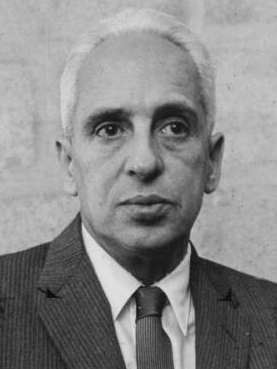
Portrait of Ignaz Semmelweis

Ignaz Semmelweis. József Borsos / Albert Doctor. Public domain.

Historical person · 19th Century

Ignaz Semmelweis

1818–1865

Obstetrician who connected maternity-ward deaths with contamination carried by medical staff and demonstrated that hand disinfection could sharply reduce childbed fever.

Explore History of MedicineRead biography ↓

Your next chapter starts here

Take history with you.

Create a free account or log in to download this guide as a PDF. Reading on the website is always free.

Create free account
Quick answers

What to know about Ignaz Semmelweis

Direct answers to common questions about Ignaz Semmelweis, followed by the full sourced biography.

Who was Ignaz Semmelweis?

Obstetrician who connected maternity-ward deaths with contamination carried by medical staff and demonstrated that hand disinfection could sharply reduce childbed fever. Obstetrician who connected maternity-ward deaths with contamination carried by medical staff and demonstrated that hand disinfection could sharply reduce childbed fever.

What is Ignaz Semmelweis known for?

Ignaz Semmelweis is particularly known for Prevention of childbed fever, Hand disinfection, Vienna maternity investigations.

When did Ignaz Semmelweis live?

Ignaz Semmelweis lived 1818–1865. This profile places that life within 19th Century and History of Medicine.

Why is Ignaz Semmelweis historically significant?

Semmelweis also worked as a surgeon and medical teacher. His university’s historical record notes important operations in 1857 and 1863, reminding readers that his career extended beyond the handwashing episode. He died in 1865, before the later consolidation of bacteriology transformed how his findings were understood. Commemoration rightly recognises the lives that infection prevention.

Biography

Ignaz Semmelweis: life and legacy

Overview

Obstetrician who connected maternity-ward deaths with contamination carried by medical staff and demonstrated that hand disinfection could sharply reduce childbed fever.

A dangerous contrast between hospital wards

Semmelweis trained in medicine in Vienna, graduating in 1844, and became an assistant in its maternity service in 1846. Women faced a serious risk of childbed fever, but deaths were not evenly distributed between the hospital’s two clinics. That contrast demanded explanation. Comparing outcomes directed attention towards differences in staffing and practice rather than assuming childbirth itself made the deaths inevitable. His experience of pathological examination also mattered. The same medical education that helped doctors investigate disease could carry contamination from examinations of bodies into the care of living patients.

Changing practice before a complete germ theory

Semmelweis concluded that material carried on medical attendants’ hands could transmit fatal illness. In 1847 he introduced disinfection using chlorinated lime, and mortality fell markedly. His explanation did not yet amount to a modern account of particular bacteria and their transmission. Nevertheless, an intervention could be supported by observed changes before every mechanism was understood. This distinction is central to the episode. The practical question was whether changing a procedure protected patients, not whether the investigator already possessed all the microbiological knowledge that later medicine would develop. Historical descriptions of the chemicals are not instructions for present-day clinical practice.

Evidence, disagreement and communication

The results did not produce universal agreement. Some colleagues supported him, while many obstetricians resisted his explanation or the changes it required. The story is often reduced to a lone genius ignored by everyone, but that erases both his supporters and the difficulties of communicating a contested theory. He left Vienna in 1850 and continued work in Pest, becoming professor in 1855. His major book on the causes and prevention of childbed fever appeared in 1861. Publication brought the evidence into a fuller argument, although it did not immediately resolve professional disagreement or ensure consistent adoption.

A broader career and a caution about heroic stories

Semmelweis also worked as a surgeon and medical teacher. His university’s historical record notes important operations in 1857 and 1863, reminding readers that his career extended beyond the handwashing episode. He died in 1865, before the later consolidation of bacteriology transformed how his findings were understood. Commemoration rightly recognises the lives that infection prevention could save, but it should not replace careful reading of the hospital evidence. His importance lies in connecting differences in outcomes with a modifiable practice and testing a protective response. That achievement is substantial without making every detail of a difficult life fit a simple martyr narrative.

Key moments

Timeline

  1. Born

    Ignaz Semmelweis's life began in 1818.

  2. Medical qualification

    Graduates in medicine at Vienna.

  3. Maternity appointment

    Begins work as an assistant in the Vienna maternity service.

  4. Hand disinfection introduced

    Introduces chlorinated-lime disinfection in May.

  5. Returns to Pest

    Leaves Vienna and continues obstetric work in Hungary.

  6. University professor

    Becomes professor of obstetrics at the University of Pest.

  7. Caesarean operation

    Performs an operation recorded in the university’s account of his surgical career.

  8. Major book published

    Publishes his account of the aetiology and prevention of childbed fever.

  9. Ovariotomy

    Performs a successful operation noted in Hungarian surgical history.

  10. Died

    Ignaz Semmelweis died in 1865.

Connections

Related people

Keep reading

Related stories

Test your knowledge

Related quizzes

Evidence

Sources and further reading

  1. Ignac SemmelweisSemmelweis University
  2. Studies of death in childbirthJournal of the Royal Society of Medicine
  3. Hungarian professors and the Second Vienna Medical SchoolWiener Medizinische Wochenschrift
  4. Semmelweis and the aetiology of puerperal sepsisHistorical review
  5. Biographical records and portraitsNational Portrait Gallery
  6. Historical people and primary sourcesLibrary of Congress
  7. Historical figuresEncyclopaedia Britannica

Biographical claims are summarised from the sources above. Interpretation and disputed reputations are identified in the text rather than presented as settled fact.

Milestone unlocked!

Your completed quizzes are building a history of their own.