The Space Race grew from the rivalry between the United States and Soviet Union. Rockets could carry scientific instruments, people or nuclear weapons, so achievements in orbit had strategic as well as symbolic importance. Satellites and crewed missions became public demonstrations of technological capability, supported by enormous teams of engineers, technicians and mathematicians.
Topic guide
Space Race
How Cold War rivalry, engineering and human ambition carried people into space.
Start here
Overview
Key questions answered
Space Race explained
Begin with clear answers, then use the full guide, timeline, people, stories and quizzes below.
What is Space Race?
How Cold War rivalry, engineering and human ambition carried people into space. The Space Race grew from the rivalry between the United States and Soviet Union. Rockets could carry scientific instruments, people or nuclear weapons, so achievements in orbit had strategic as well as symbolic importance. Satellites and crewed missions became public demonstrations of technological.
When did Space Race happen?
The guide follows major developments from 1957 (Sputnik 1) to 17 July 1975 (Apollo-Soyuz docking). The full chronology below explains the changes between them.
What should you know about Space Race?
The essential areas are From satellites to human flight, Apollo and its wider meaning, Risk on the ground, Making different spacecraft work together, Reading the end of the race. Each section below explains the evidence and historical connections.
Why does Space Race matter?
The Space Race grew from the rivalry between the United States and Soviet Union. Rockets could carry scientific instruments, people or nuclear weapons, so achievements in orbit had strategic as well as symbolic importance. Satellites and crewed missions became public demonstrations of technological capability, supported by enormous teams of engineers, technicians and mathematicians.
Build your understanding
The essential guide
From satellites to human flight
Sputnik's launch in 1957 challenged American confidence and accelerated investment in science and education. Yuri Gagarin's orbital flight in 1961 gave the Soviet Union another first. These achievements depended on the development of powerful launch vehicles, reliable guidance and ways to keep spacecraft and their crews alive far from Earth.
Apollo and its wider meaning
The United States concentrated resources on a crewed lunar landing. Apollo 11 reached the Moon in July 1969, but the mission was not simply the achievement of three astronauts: navigation, flight control, manufacturing and recovery required extensive cooperation. Space exploration also raised questions about public spending, risk and the relationship between scientific work and national prestige.
Risk on the ground
On 27 January 1967, a fire during a launch-pad test killed Apollo astronauts Gus Grissom, Ed White and Roger Chaffee. Their spacecraft had not left Earth. The accident makes clear that danger involved the entire engineering system, including cabin materials, atmosphere, electrical equipment and escape arrangements, rather than simply the rocket launch. NASA established an investigation board to examine what happened. Reading its evidence alongside accounts of successful missions changes the story from an uninterrupted sequence of triumphs into one involving failure, institutional responsibility and the work of making equipment safer.
Making different spacecraft work together
The Apollo-Soyuz Test Project required more than a political agreement between Washington and Moscow. Engineers developed a docking module that connected spacecraft built by separate programmes, while crews and ground teams prepared common procedures. The module served as an airlock and transfer corridor between the vehicles. Both spacecraft launched on 15 July 1975 and docked two days later. Crew exchanges and joint experiments demonstrated practical cooperation between former competitors. The mission also showed why shared technical standards matter: equipment, communications and operating practices have to function together before a symbolic handshake becomes possible.
Reading the end of the race
Apollo-Soyuz is often used to mark a change from confrontation towards cooperation, but one mission did not remove the wider Cold War rivalry. Its value lies in the specific collaboration it achieved. American commander Thomas Stafford and Soviet commander Alexei Leonov met in orbit on 17 July 1975, after years of preparation involving specialists on both sides. The flight was also the final crewed mission using an Apollo spacecraft. Comparing this episode with Sputnik and the lunar landing reveals changing political purposes: public prestige remained important, but demonstrating cooperation could itself become a national objective.
Chronology
Key dates
Sputnik 1
The Soviet Union launched the first artificial Earth satellite.
NASA established
The United States created its civilian space agency.
Gagarin orbits Earth
Vostok 1 carried the first human into space.
Tereshkova enters orbit
Valentina Tereshkova became the first woman in space aboard Vostok 6.
First spacewalk
Alexei Leonov left Voskhod 2 for the first extravehicular activity, testing another requirement for working in space.
Apollo 1 fire
Grissom, White and Chaffee died during a ground test.
Apollo 11
The first crewed lunar landing took place in July.
Apollo-Soyuz docking
American and Soviet spacecraft docked and their crews met in orbit.
Read more
Essential stories
Begin with the foundations, then move into the events, people and debates that add detail and complexity.
No verified stories have been assigned to this topic yet.
Test yourself
Available quizzes
MediumSpace Race
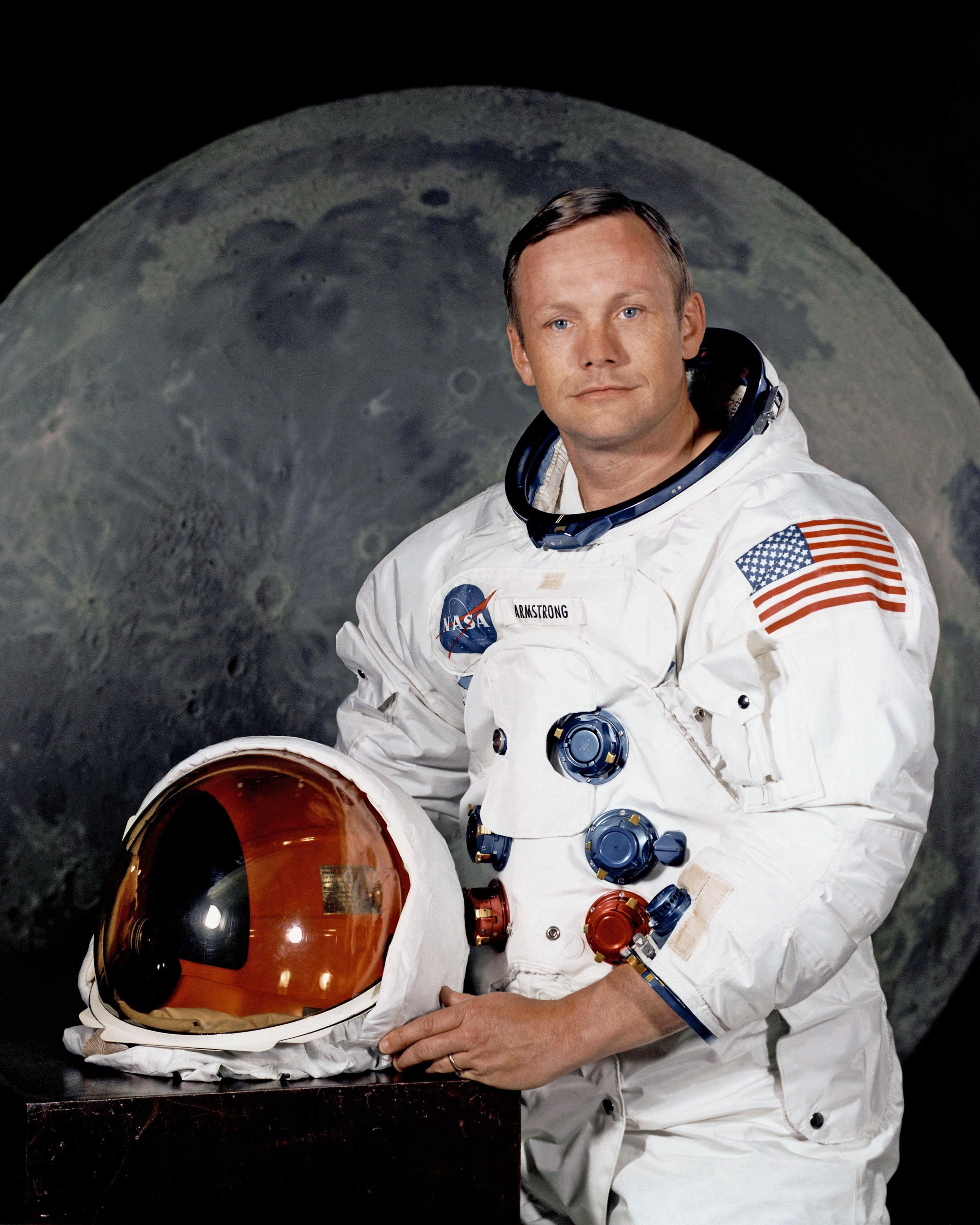
Neil Armstrong
Five questions on Neil Armstrong's work, decisions and achievements, with explanations and sources after each answer.
Start quiz →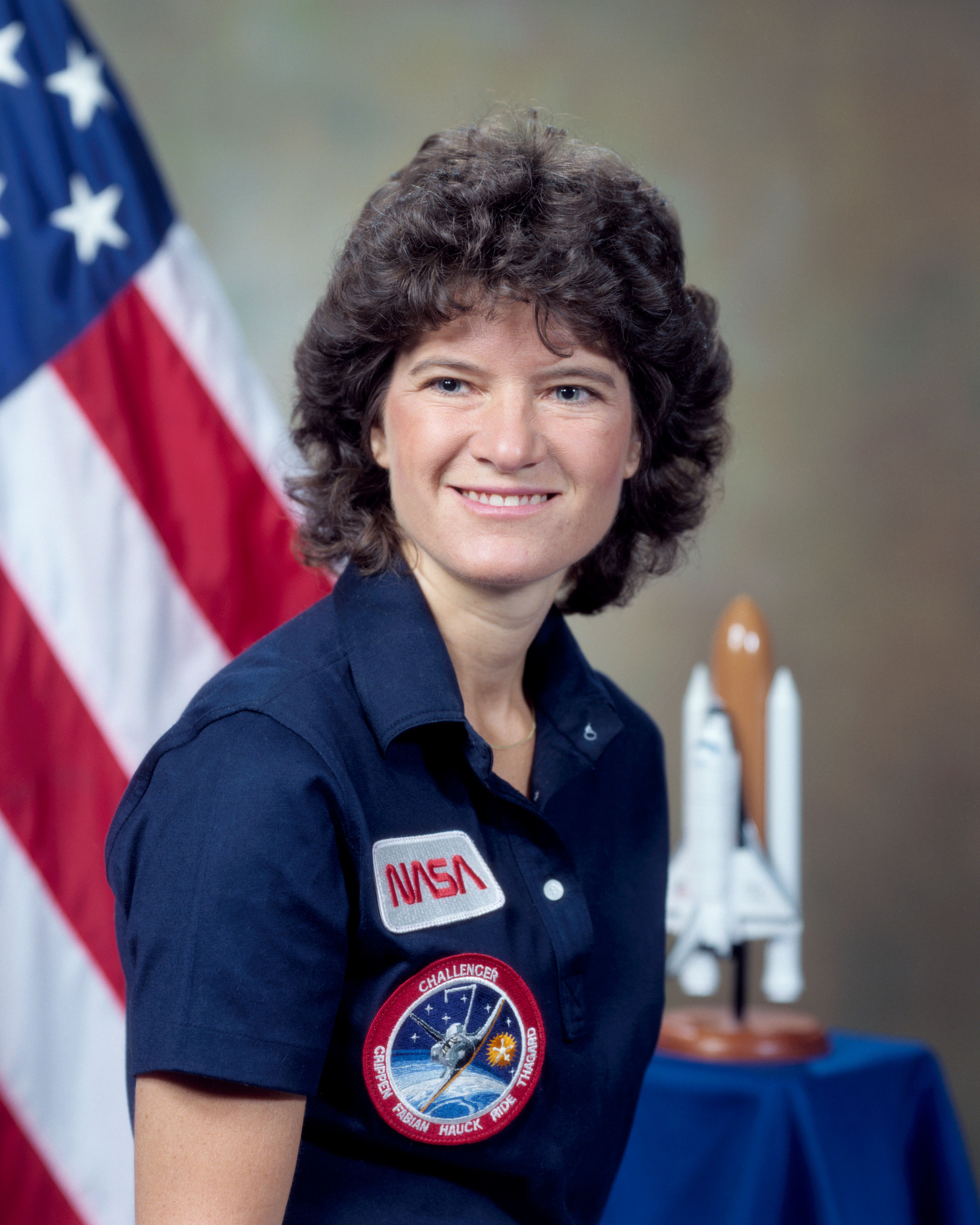 Medium
Space Race
Sally Ride
Five questions on Sally Ride's work, decisions and achievements, with explanations and sources after each answer.
Start quiz →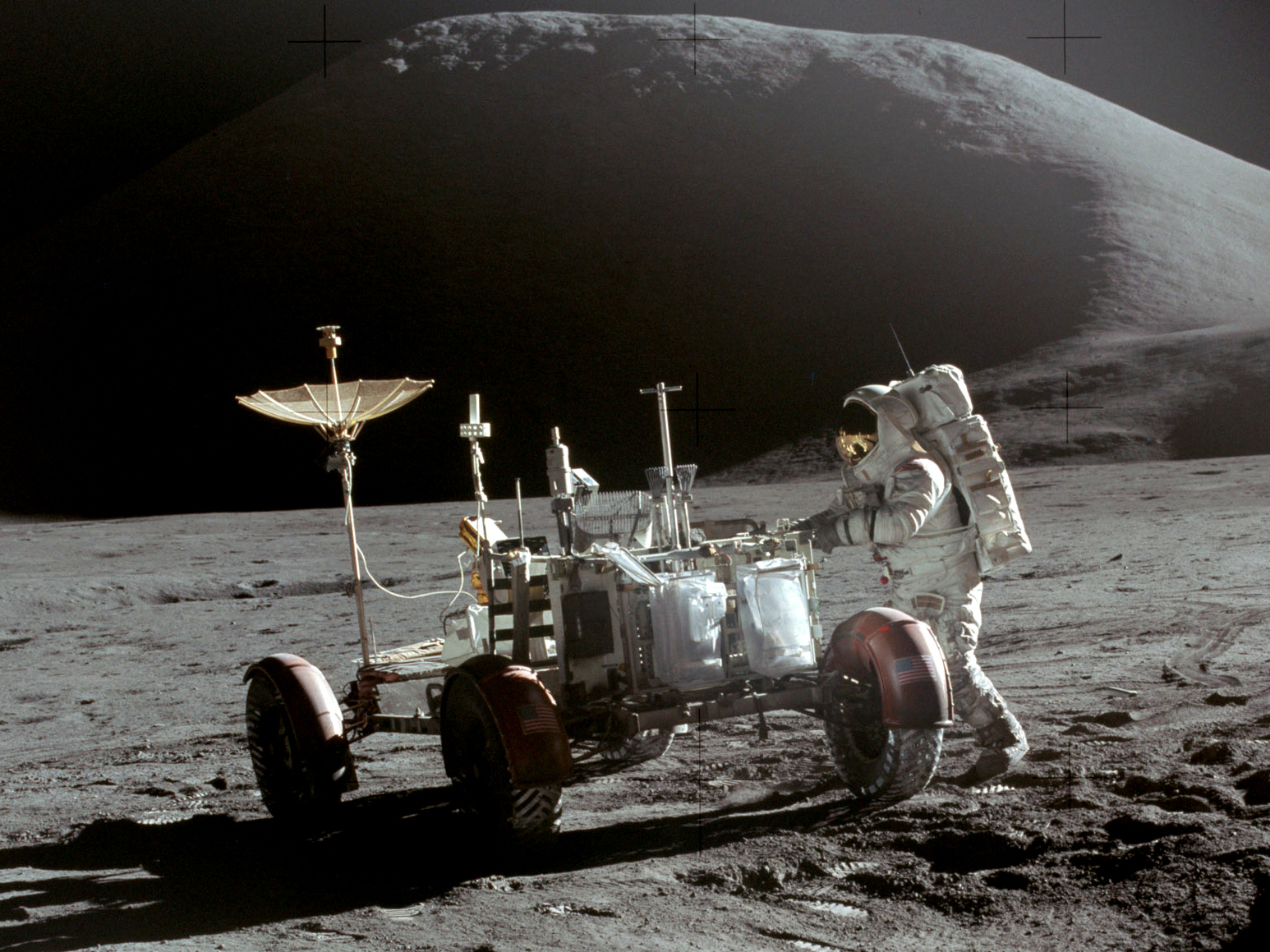 Medium
Space Race
Apollo: Science Beyond the First Landing
Test your knowledge of lunar equipment, scientific exploration and later Apollo missions.
Start quiz →People
Events
No events are currently assigned.
Continue learning
Sources and further reading
- Sources and further reading: Space Race
- NASA: Apollo 1 accident resources
- NASA: Apollo-Soyuz Test Project
- NASA: Tereshkova and Ride
- European Space Agency: fifty years of spacewalks
- Library of Congress: exhibitions and primary-source collections
- Heilbrunn Timeline of Art History
- British Library: research collections