Who was Neil Armstrong?
Research pilot and astronaut who commanded Apollo 11 and became the first person to walk on the Moon. Research pilot and astronaut who commanded Apollo 11 and became the first person to walk on the Moon.
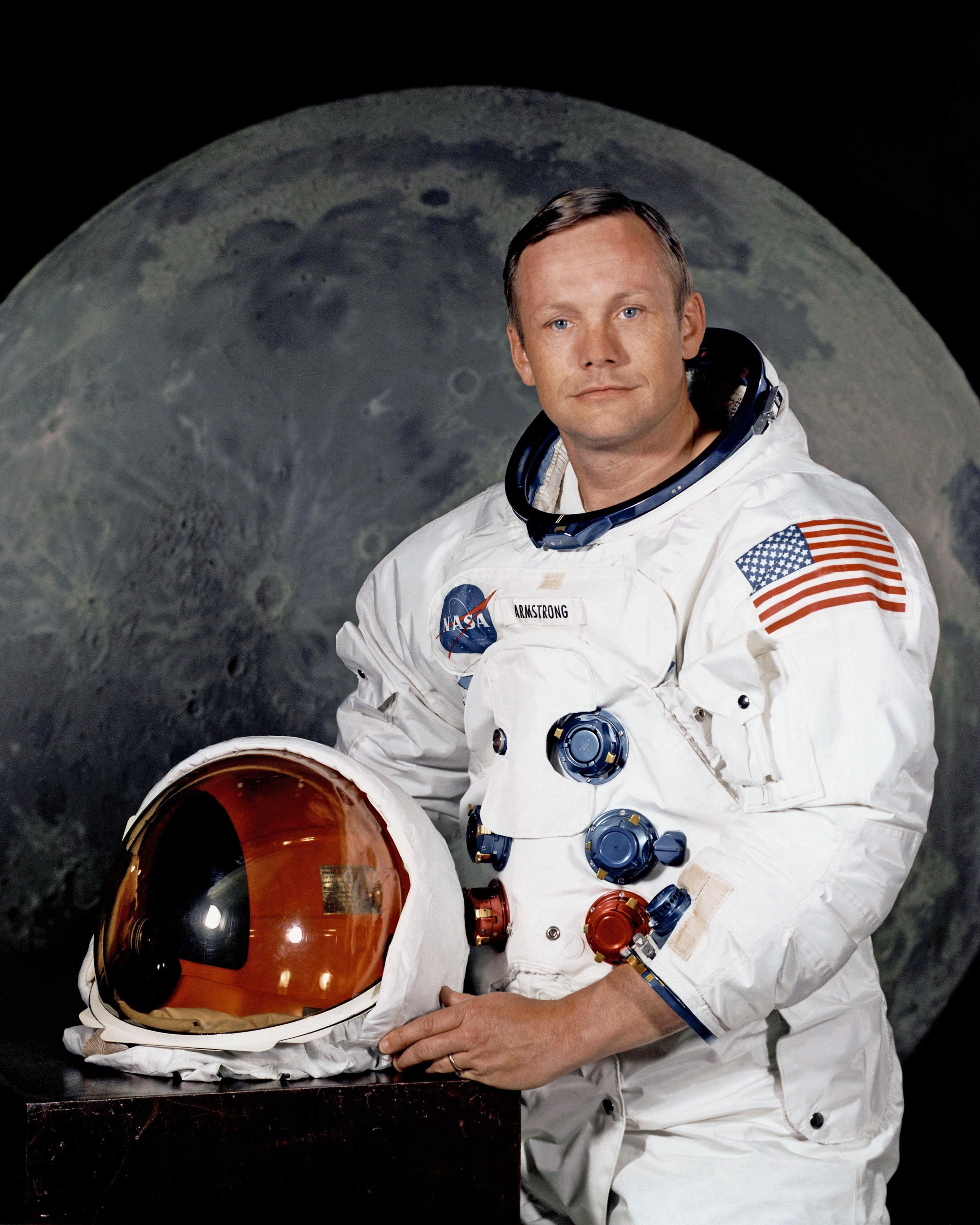
Neil Armstrong. NASA. Public domain.
1930–2012
Research pilot and astronaut who commanded Apollo 11 and became the first person to walk on the Moon.
Direct answers to common questions about Neil Armstrong, followed by the full sourced biography.
Research pilot and astronaut who commanded Apollo 11 and became the first person to walk on the Moon. Research pilot and astronaut who commanded Apollo 11 and became the first person to walk on the Moon.
Neil Armstrong is particularly known for Commanding Apollo 11, The first human steps on the Moon.
Neil Armstrong lived 1930–2012. This profile places that life within 20th century and Space Race.
Armstrong’s preflight biography emphasized engineering qualifications, naval aviation, and experimental flying rather than celebrity. Before Apollo 11, he had accumulated experience across aircraft with markedly different performance characteristics. Research flying required reporting how a vehicle behaved and understanding the consequences for design, not merely controlling it.
Research pilot and astronaut who commanded Apollo 11 and became the first person to walk on the Moon.
Neil Armstrong studied aeronautical engineering at Purdue and flew naval combat missions during the Korean War. He subsequently became a research pilot, testing aircraft including the rocket-powered X-15. This work combined piloting with engineering evaluation of experimental systems. As commander of Gemini 8 in 1966, he participated in the first successful docking of two spacecraft in orbit, gaining experience in the demanding maneuvers and rapid judgments required by the lunar program.
Armstrong commanded Apollo 11 in July 1969 and became the first human to step onto the lunar surface. The mission’s public symbolism rested on a vast collaborative engineering effort, while his role required precise operational decisions. After leaving astronaut duties, he worked in NASA aeronautics management and then taught engineering at the University of Cincinnati. He later served as vice chairman of the commission investigating the Challenger disaster, returning his expertise to questions of aerospace safety.
Armstrong’s preflight biography emphasized engineering qualifications, naval aviation, and experimental flying rather than celebrity. Before Apollo 11, he had accumulated experience across aircraft with markedly different performance characteristics. Research flying required reporting how a vehicle behaved and understanding the consequences for design, not merely controlling it successfully. His background helps explain why the lunar landing belonged to a continuum of flight research. The famous first step was a public moment within that longer professional history, supported by training, instrument interpretation, rehearsal, and a willingness to evaluate unfamiliar machines.
Neil Armstrong's life began in 1930.
Served as a naval aviator before returning to engineering studies and entering civilian flight research.
Began at the Lewis laboratory and transferred to the High-Speed Flight Station in California later that year.
Joined NASA's second astronaut group after several years of experimental flight work.
Neil Armstrong died in 2012.
Biographical claims are summarised from the sources above. Interpretation and disputed reputations are identified in the text rather than presented as settled fact.