Apartheid institutionalised racial classification, unequal citizenship and segregation in South Africa. It built on earlier colonial dispossession and discrimination. Laws controlled residence, work and movement, while political power was reserved for the white minority. Resistance took many forms, including strikes, community organising, civil disobedience, international campaigning and armed struggle.
Topic guide
Apartheid and Resistance
Racial rule in South Africa, resistance to it and the difficult transition to democracy.
Start here
Overview
Key questions answered
Apartheid and Resistance explained
Begin with clear answers, then use the full guide, timeline, people, stories and quizzes below.
What is Apartheid and Resistance?
Racial rule in South Africa, resistance to it and the difficult transition to democracy. Apartheid institutionalised racial classification, unequal citizenship and segregation in South Africa. It built on earlier colonial dispossession and discrimination. Laws controlled residence, work and movement, while political power was reserved for the white minority. Resistance took many forms,.
When did Apartheid and Resistance happen?
The guide follows major developments from 1948 (National Party victory) to 1995 (Truth commission legislation). The full chronology below explains the changes between them.
What should you know about Apartheid and Resistance?
The essential areas are Control and resistance, Negotiation and unfinished change, Classification as government machinery, Repeal and the transition, Testimony and the historical record. Each section below explains the evidence and historical connections.
Why does Apartheid and Resistance matter?
Apartheid institutionalised racial classification, unequal citizenship and segregation in South Africa. It built on earlier colonial dispossession and discrimination. Laws controlled residence, work and movement, while political power was reserved for the white minority. Resistance took many forms, including strikes, community organising, civil disobedience, international campaigning and.
Build your understanding
The essential guide
Control and resistance
Pass laws and forced removals restricted where Black South Africans could live and work. The Sharpeville killings in 1960 intensified the crisis and were followed by bans on major liberation organisations. Repression pushed activists underground or into exile, while imprisonment separated prominent leaders from their movements without ending resistance.
Negotiation and unfinished change
International pressure and domestic mobilisation helped create conditions for negotiations. Nelson Mandela's release in 1990 became a symbol of change; the 1994 election established a democratic national government. Political equality did not immediately undo economic inequality. The Truth and Reconciliation Commission later sought to document abuses while confronting the tensions between justice, truth and reconciliation.
Classification as government machinery
The Population Registration Act of 1950 made racial classification an administrative foundation of apartheid. The state assigned people to categories that were then used to distribute rights and restrictions. Classification was not simply a description of identity: it became a mechanism through which officials intervened in ordinary lives. The surviving legislation records how a political ideology was translated into registers and bureaucratic procedures. Studying these documents helps explain why ending apartheid required dismantling connected institutions and legal definitions, not merely replacing a few discriminatory officials or changing the language used by the government.
Repeal and the transition
The Population Registration Act Repeal Act of 1991 removed a central legal pillar of apartheid. Its stated purposes included ending distinctions between people belonging to different racial or population groups in related laws. Repeal was a significant change during the negotiating period, but it was not the same event as the democratic election of 1994. People still lived with the consequences of exclusion, including unequal access to property and employment. Placing legal repeal beside negotiations and elections clarifies the transition: different components of racial rule were challenged and removed through separate, contested steps.
Testimony and the historical record
The Truth and Reconciliation Commission was established under the 1995 Promotion of National Unity and Reconciliation Act. Its work produced a large public record of statements, hearings and findings about serious human-rights violations. Desmond Tutu chaired the commission, which brought victims' experiences into national discussion and examined responsibility across political organisations and state institutions. Its report is evidence of both abuses and the process used to investigate them. Historians must distinguish testimony, corroborating records and the commission's conclusions, while recognising that creating an official account did not automatically provide compensation, prosecution or reconciliation for every survivor.
Chronology
Key dates
National Party victory
The government expanded and formalised apartheid.
Population Registration Act
Racial classification became a central administrative instrument of apartheid.
Sharpeville
Police killed demonstrators protesting pass laws.
Rivonia sentences
Mandela and fellow defendants received life sentences.
Mandela released
His release opened a new phase of negotiations.
Classification law repealed
Parliament repealed the Population Registration Act.
Democratic election
South Africans voted in the first inclusive national election.
Truth commission legislation
The Promotion of National Unity and Reconciliation Act provided the commission's legal basis.
Read more
Essential stories
Begin with the foundations, then move into the events, people and debates that add detail and complexity.
No verified stories have been assigned to this topic yet.
Test yourself
Available quizzes
MediumApartheid and Resistance
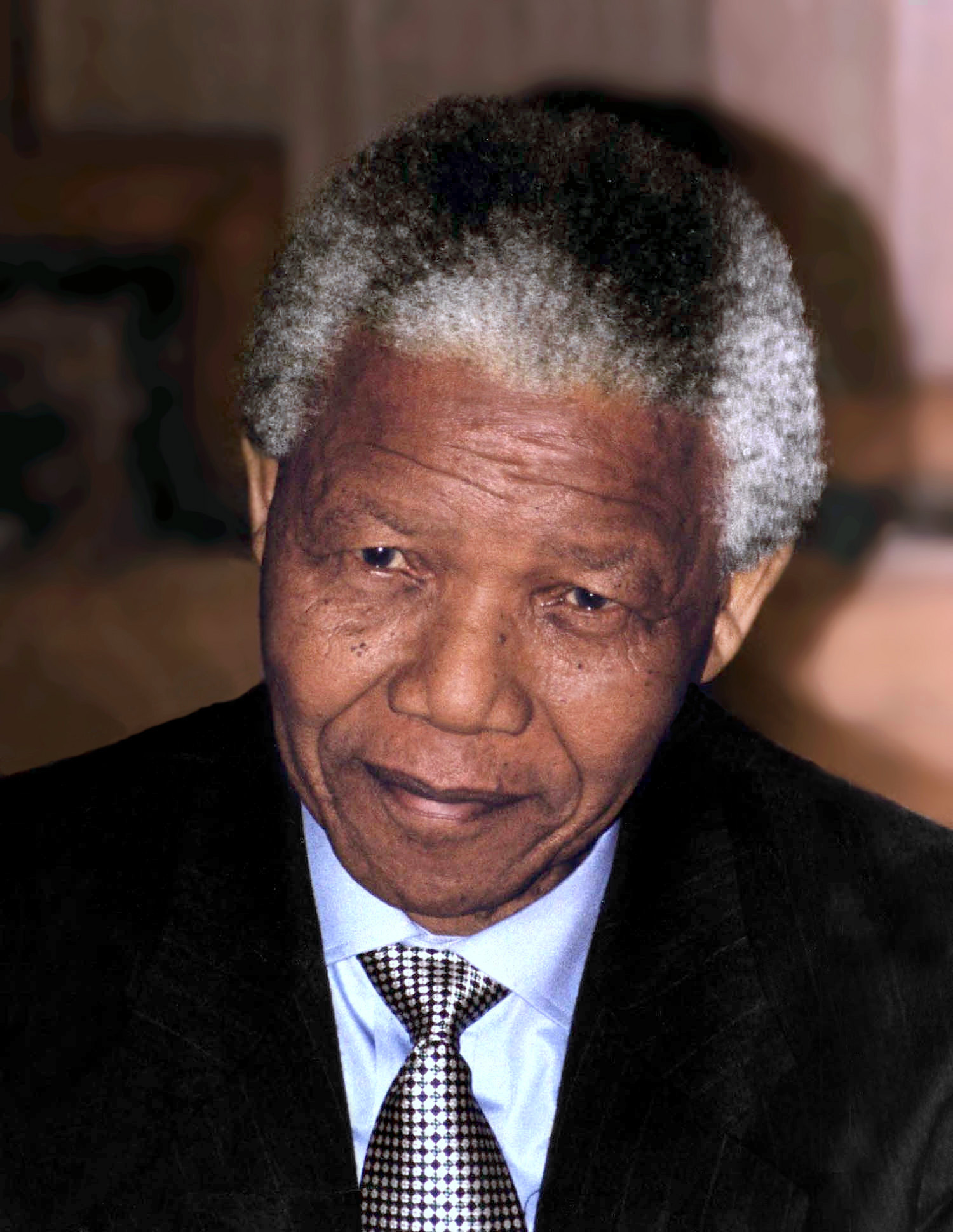
Nelson Mandela
Five questions on Nelson Mandela's work, decisions and achievements, with explanations and sources after each answer.
Start quiz →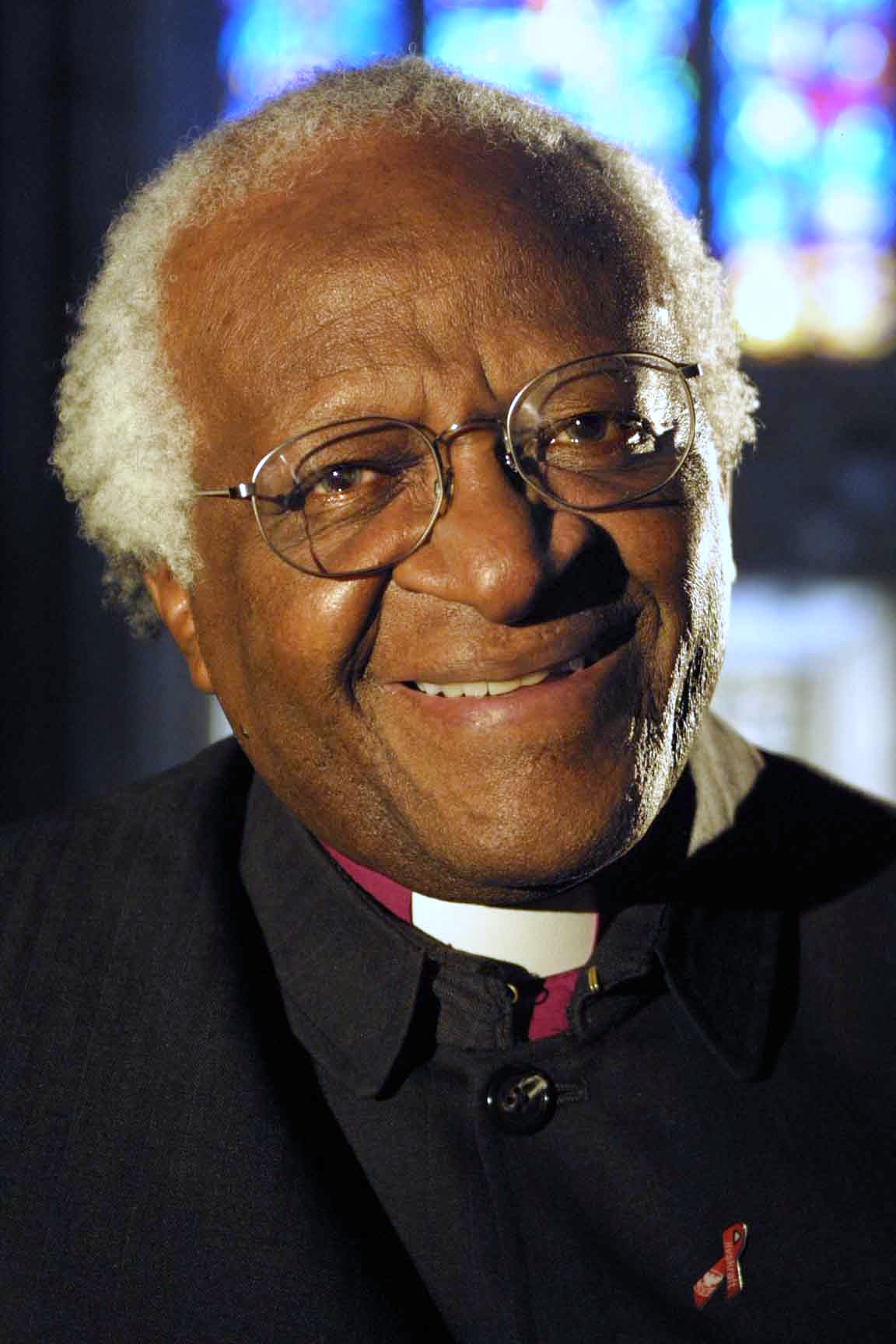 Medium
Apartheid and Resistance
Desmond Tutu
Five questions on Desmond Tutu's work, decisions and achievements, with explanations and sources after each answer.
Start quiz →People
Events
No events are currently assigned.
Continue learning
Sources and further reading
- Sources and further reading: Apartheid and Resistance
- South African Government: Population Registration Act Repeal Act
- Department of Justice: Truth and Reconciliation Commission reports
- Library of Congress: exhibitions and primary-source collections
- Heilbrunn Timeline of Art History
- British Library: research collections