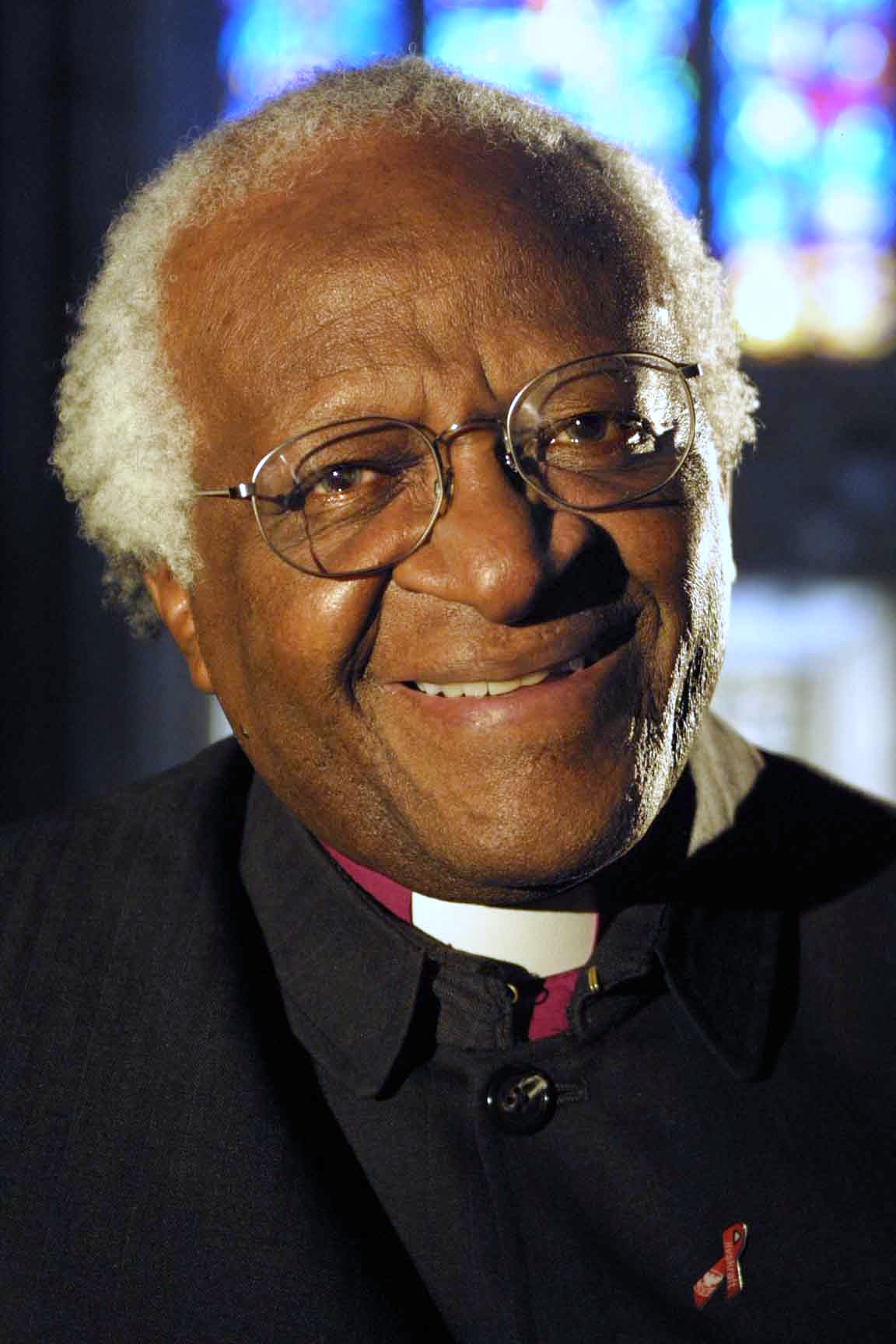
Portrait of Desmond Tutu

Desmond Tutu. Benny Gool. Public domain.

Historical person · 20th–21st centuries

Desmond Tutu

1931–2021

Anglican leader whose opposition to apartheid and commitment to human rights made him an international moral voice.
Explore Apartheid and ResistanceRead biography ↓

Your next chapter starts here

Take history with you.

Create a free account or log in to download this guide as a PDF. Reading on the website is always free.

Create free account
Quick answers

What to know about Desmond Tutu

Direct answers to common questions about Desmond Tutu, followed by the full sourced biography.

Who was Desmond Tutu?

Anglican leader whose opposition to apartheid and commitment to human rights made him an international moral voice. Anglican leader whose opposition to apartheid and commitment to human rights made him an international moral voice.

What is Desmond Tutu known for?

Desmond Tutu is particularly known for Nonviolent opposition to apartheid, The Truth and Reconciliation Commission.

When did Desmond Tutu live?

Desmond Tutu lived 1931–2021. This profile places that life within 20th–21st centuries and Apartheid and Resistance.

Why is Desmond Tutu historically significant?

Tutu became Archbishop of Cape Town in 1986, the first Black person to hold that office. After democratic government was established, he was appointed chair of the Truth and Reconciliation Commission in 1995. The commission gathered evidence about gross human-rights violations and created a public setting in which victims could describe abuses. Its work did not erase the past or settle.

Biography

Desmond Tutu: life and legacy

Overview

Anglican leader whose opposition to apartheid and commitment to human rights made him an international moral voice.

Religious leadership against apartheid

Desmond Tutu initially trained as a teacher but rejected the restrictions imposed by apartheid education. His subsequent church career provided a platform for challenging racial domination through public protest and international advocacy. He urged nonviolent resistance and economic pressure against apartheid, arguing that political oppression demanded a moral response. The 1984 Nobel Peace Prize strengthened his international visibility and highlighted the role of churches and civic organizations within South Africa’s broad liberation struggle.

Rights beyond a single struggle

Tutu’s advocacy continued after apartheid rather than ending with majority rule. He spoke against discrimination, supported women’s participation in church leadership, and defended the rights of gay and lesbian people. His public commitments also included opposition to war and support for people affected by HIV/AIDS. Throughout these campaigns, he linked reconciliation with recognition of human dignity, treating moral criticism as necessary even when directed toward institutions or political movements with which he had previously worked.

Archbishop and the truth commission

Tutu became Archbishop of Cape Town in 1986, the first Black person to hold that office. After democratic government was established, he was appointed chair of the Truth and Reconciliation Commission in 1995. The commission gathered evidence about gross human-rights violations and created a public setting in which victims could describe abuses. Its work did not erase the past or settle every demand for justice. Tutu’s role instead placed him at the difficult intersection of acknowledgment, accountability, and the effort to establish a shared political future after systematic oppression.

Key moments

Timeline

  1. Born

    Desmond Tutu's life began in 1931.

  2. Received the Nobel Peace Prize.

  3. Became Archbishop of Cape Town.

  4. Appointed chair of the Truth and Reconciliation Commission.

  5. Retired as Archbishop of Cape Town.

  6. Received the Presidential Medal of Freedom.

  7. Co-chaired a UNAIDS commission.

  8. Died

    Desmond Tutu died in 2021.

Connections

Related people

Test your knowledge

Related quizzes

Evidence

Sources and further reading

  1. Desmond Tutu: biography and researchgov.za
  2. Desmond Tutu: biography and researchnobelpeaceprize.org
  3. Desmond Tutu: biography and researchuj.ac.za
  4. Desmond Tutu: biography and researchjustice.gov.za
  5. Biographical records and portraitsNational Portrait Gallery
  6. Historical people and primary sourcesLibrary of Congress
  7. Historical figuresEncyclopaedia Britannica

Biographical claims are summarised from the sources above. Interpretation and disputed reputations are identified in the text rather than presented as settled fact.

Milestone unlocked!

Your completed quizzes are building a history of their own.