Who was Nelson Mandela?
Anti-apartheid leader who emerged from imprisonment to help negotiate democratic government in South Africa. Anti-apartheid leader who emerged from imprisonment to help negotiate democratic government in South Africa.
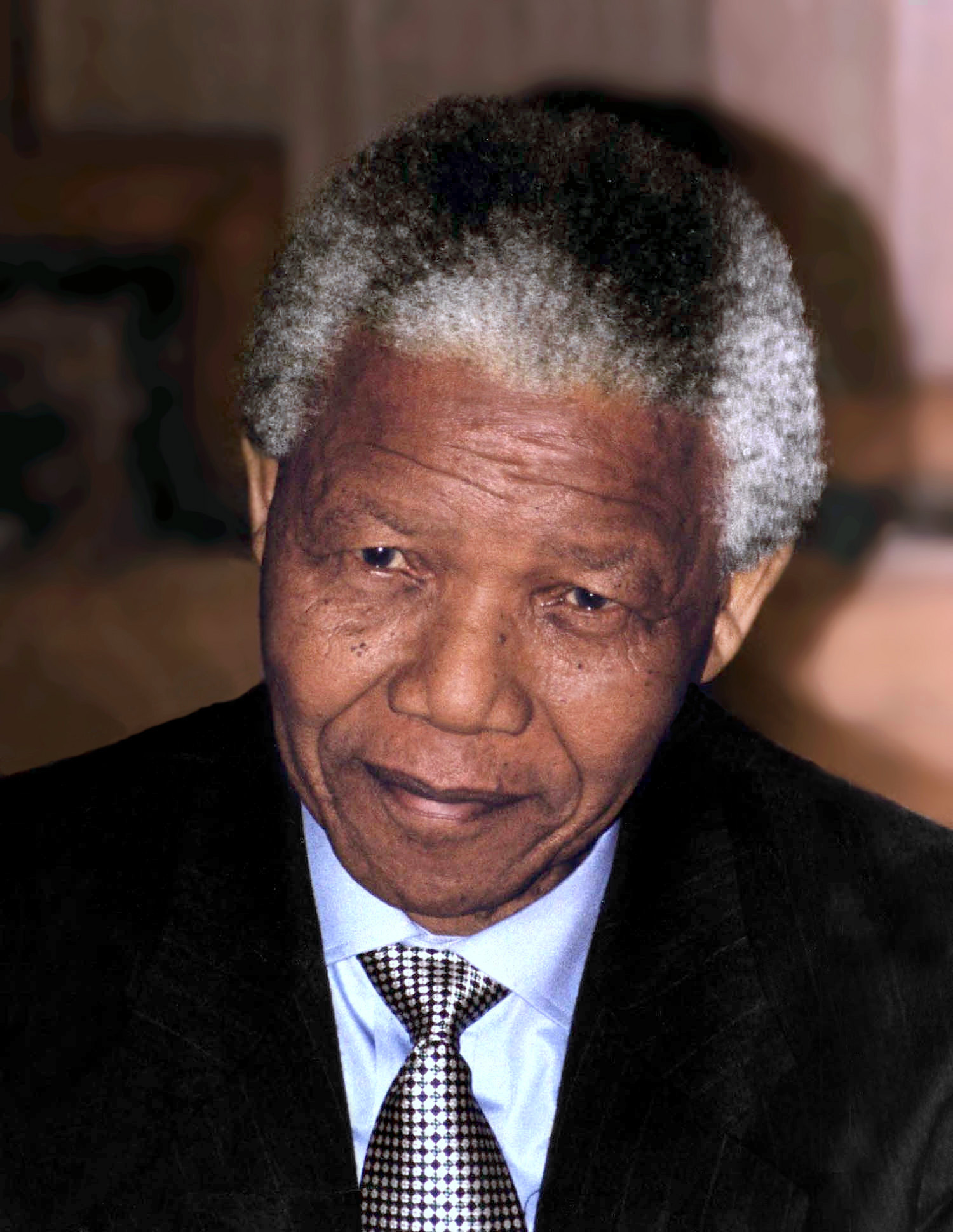
Nelson Mandela. Kingkongphoto & www.celebrity-photos.com. CC BY-SA 2.0.
1918–2013
Anti-apartheid leader who emerged from imprisonment to help negotiate democratic government in South Africa.
Direct answers to common questions about Nelson Mandela, followed by the full sourced biography.
Anti-apartheid leader who emerged from imprisonment to help negotiate democratic government in South Africa. Anti-apartheid leader who emerged from imprisonment to help negotiate democratic government in South Africa.
Nelson Mandela is particularly known for Resistance to apartheid, South Africa's democratic transition.
Nelson Mandela lived 1918–2013. This profile places that life within 20th century and Apartheid and Resistance.
Mandela’s education did not follow a straightforward progression from university to legal practice. Student protest interrupted his studies at Fort Hare, and his later law studies were repeatedly disrupted by political commitments and imprisonment. He completed a law degree through the University of South Africa in 1989, near the end of his confinement. The chronology makes clear that.
Anti-apartheid leader who emerged from imprisonment to help negotiate democratic government in South Africa.
Nelson Mandela joined the African National Congress in 1944 and helped establish its Youth League. In Johannesburg he combined political organizing with legal work, opening a practice with Oliver Tambo. State repression and the banning of the ANC helped precipitate his turn toward armed resistance in 1961. Arrested in 1962, he received a life sentence in the Rivonia Trial in 1964 and spent much of his imprisonment on Robben Island.
Released in 1990 after twenty-seven years in prison, Mandela became central to negotiations that dismantled apartheid’s political framework. He shared the 1993 Nobel Peace Prize with F. W. de Klerk and became president after South Africa’s first national democratic election in 1994. His presidency emphasized reconciliation alongside the creation of democratic institutions. He left office in 1999 after one term, distinguishing the achievement of political transition from the longer struggle against entrenched inequality.
Mandela’s education did not follow a straightforward progression from university to legal practice. Student protest interrupted his studies at Fort Hare, and his later law studies were repeatedly disrupted by political commitments and imprisonment. He completed a law degree through the University of South Africa in 1989, near the end of his confinement. The chronology makes clear that formal learning remained an unfinished project across much of his adult life. It also places his legal identity alongside collective activism, prison organization, and negotiation rather than treating professional credentials as the sole source of authority.
Nelson Mandela's life began in 1918.
Nelson Mandela died in 2013.
Biographical claims are summarised from the sources above. Interpretation and disputed reputations are identified in the text rather than presented as settled fact.