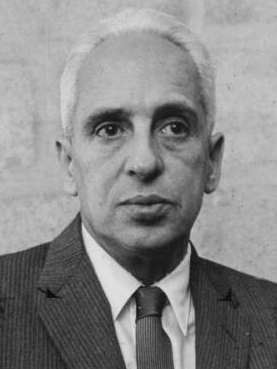
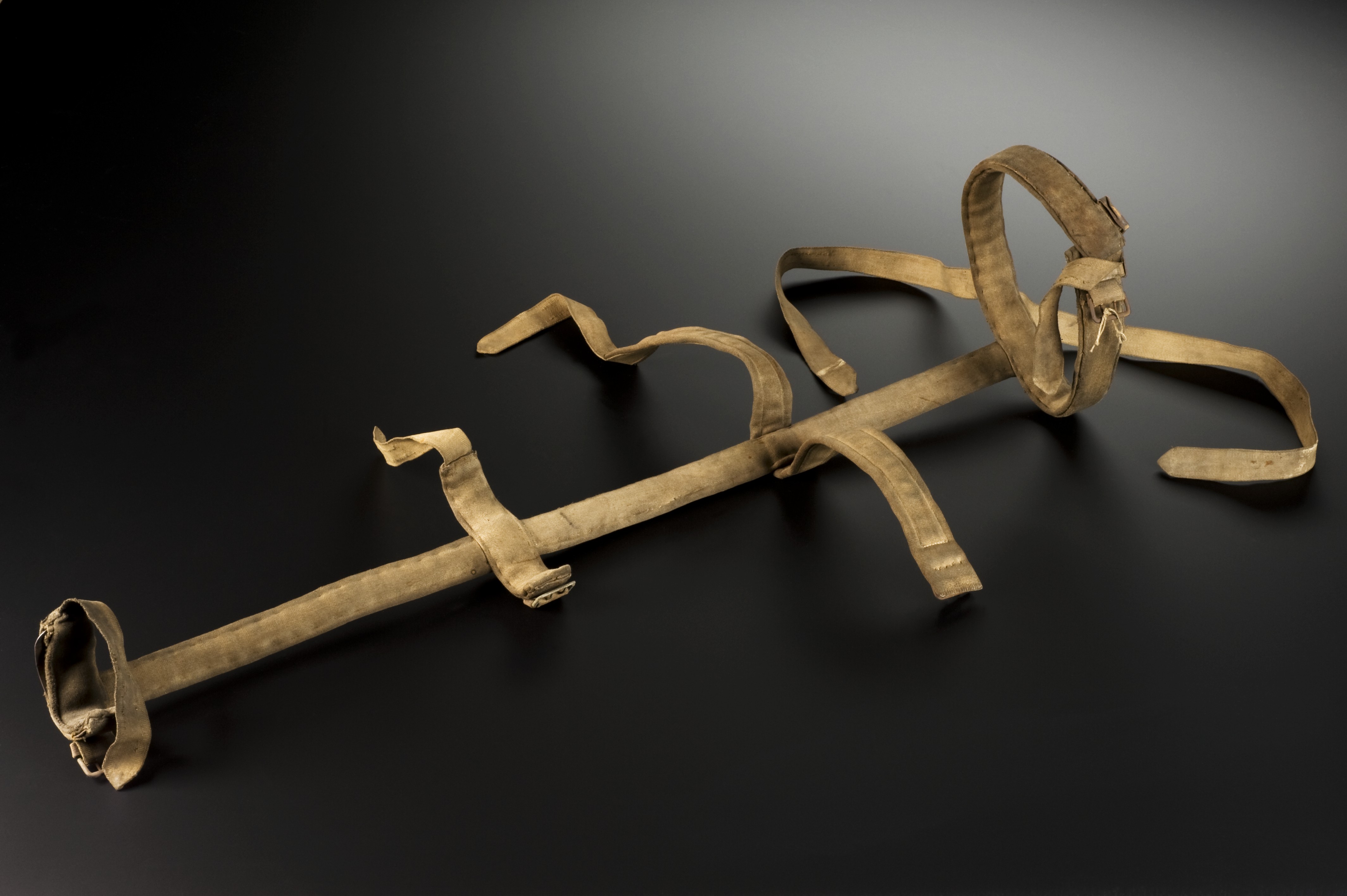
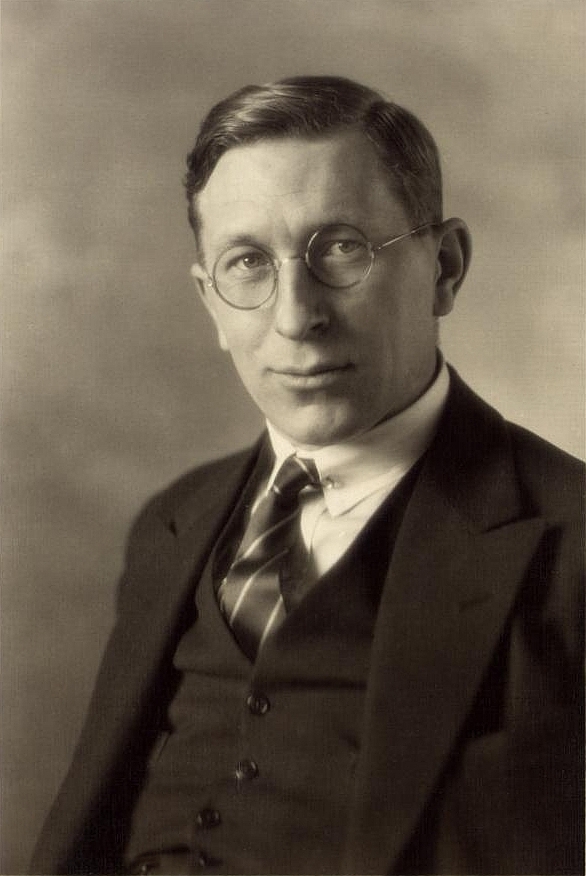
Portrait of Frederick Banting

Frederick Banting. Louis Schmidt. Public domain.

Historical person · 20th Century

Frederick Banting

1891–1941

Surgeon and medical researcher whose work with Best, Macleod and Collip helped turn pancreatic extracts into insulin treatment for diabetes.

Explore History of MedicineRead biography ↓

Your next chapter starts here

Take history with you.

Create a free account or log in to download this guide as a PDF. Reading on the website is always free.

Create free account
Quick answers

What to know about Frederick Banting

Direct answers to common questions about Frederick Banting, followed by the full sourced biography.

Who was Frederick Banting?

Surgeon and medical researcher whose work with Best, Macleod and Collip helped turn pancreatic extracts into insulin treatment for diabetes. Surgeon and medical researcher whose work with Best, Macleod and Collip helped turn pancreatic extracts into insulin treatment for diabetes.

What is Frederick Banting known for?

Frederick Banting is particularly known for Co-discovery of insulin, 1923 Nobel Prize in Physiology or Medicine, Canadian medical research.

When did Frederick Banting live?

Frederick Banting lived 1891–1941. This profile places that life within 20th Century and History of Medicine.

Why is Frederick Banting historically significant?

Banting subsequently held a medical research chair at Toronto and investigated problems beyond diabetes, including respiratory disease and the physical demands of flying. He was knighted in 1934 and became a prominent public figure, but also pursued painting as a serious personal interest. During the Second World War he undertook medical liaison work connecting Britain and North America..

Biography

Frederick Banting: life and legacy

Overview

Surgeon and medical researcher whose work with Best, Macleod and Collip helped turn pancreatic extracts into insulin treatment for diabetes.

From medical training to a research problem

Frederick Banting was born near Alliston, Ontario, and initially entered an arts course before changing to medicine at Toronto. His medical education was accelerated during the First World War, and he served as a military doctor. After returning to Canada, he pursued surgical training and opened a practice in London, Ontario. The practice struggled, and part-time teaching provided additional work. Preparing a lecture on the pancreas in 1920 prompted an idea for obtaining its internal secretion. He approached specialists rather than immediately possessing either the laboratory resources or expertise required to test it.

The Toronto experiments

John Macleod provided laboratory facilities and research support at Toronto, where Banting worked with Charles Best in 1921. Their experiments on dogs investigated pancreatic extracts and changes in blood glucose. The early work required repeated testing and did not produce a ready-made, consistently safe medicine at once. James Collip’s biochemical purification became crucial to making an extract suitable for patients. Describing Banting as the lone discoverer therefore misrepresents the process. Different kinds of expertise were needed: surgery and experimental work, physiological direction, chemical purification and clinical supervision all contributed to the result.

Turning a discovery into treatment

In January 1922 Leonard Thompson received insulin treatment, with purified extract producing the decisive improvement after an initial preparation had proved unsatisfactory. For people with severe diabetes, insulin opened the possibility of survival beyond the restricted diets previously used to prolong life. It was a treatment, not a cure, and continued administration remained necessary. The Nobel Prize in 1923 went to Banting and Macleod, although the research involved a wider team. The history of insulin is consequently also a story about how credit is distributed and how laboratory findings become dependable medical products.

Research, painting and wartime service

Banting subsequently held a medical research chair at Toronto and investigated problems beyond diabetes, including respiratory disease and the physical demands of flying. He was knighted in 1934 and became a prominent public figure, but also pursued painting as a serious personal interest. During the Second World War he undertook medical liaison work connecting Britain and North America. He died after an aircraft crash in Newfoundland in 1941 while travelling on that work. His fame should not conceal the collaborative character of his principal achievement or reduce the rest of his life to the brief period of the insulin experiments.
Key moments

Timeline

  1. Birth

    Born near Alliston, Ontario.

  2. Medical graduation

    Completed his medical degree and entered active military service.

  3. Research proposal

    Developed his pancreatic-extract idea while teaching in London, Ontario.

  4. Toronto experiments

    Worked with Best in facilities supplied by Macleod.

  5. Clinical treatment

    Purified insulin helped treat Leonard Thompson.

  6. Nobel Prize

    Shared the medicine prize with Macleod.

  7. Knighthood

    Received a knighthood for his medical contribution.

  8. Death in wartime

    Died following an aircraft crash during medical liaison travel.

Connections

Related people

Keep reading

Related stories

Test your knowledge

Related quizzes

Evidence

Sources and further reading

  1. Biography of Frederick Grant BantingUniversity of Toronto Libraries
  2. Banting National Historic PersonParks Canada
  3. Sir Frederick BantingGovernment of Canada
  4. Biographical records and portraitsNational Portrait Gallery
  5. Historical people and primary sourcesLibrary of Congress
  6. Historical figuresEncyclopaedia Britannica

Biographical claims are summarised from the sources above. Interpretation and disputed reputations are identified in the text rather than presented as settled fact.

Milestone unlocked!

Your completed quizzes are building a history of their own.