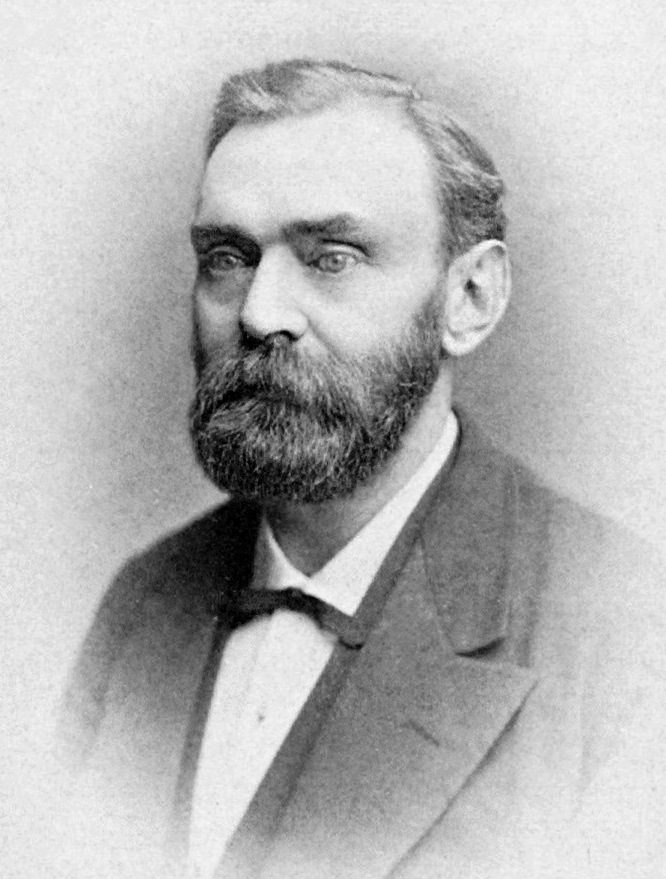
BiographyAlfred Nobel: life and legacy
Overview
Chemist and international industrialist whose explosives businesses funded the prizes established by his final will.
An international engineering family
Nobel was born in Stockholm and spent important childhood years in St Petersburg, where his father developed engineering businesses. His education crossed languages and disciplines, and literary interests remained part of his life alongside chemistry. The family’s changing fortunes exposed him to the commercial risks of invention. An industrial process needed financing, customers and reliable manufacture as well as an effective chemical reaction. Nobel’s eventual career was correspondingly international, with laboratories and companies spread across several countries. It cannot be reduced to a single discovery in a single Swedish workshop.
Making powerful explosives more manageable
Nitroglycerine offered great explosive force but was dangerously sensitive. Nobel worked on methods of initiating and handling it more reliably. A fatal explosion in 1864 killed several people, including his brother Emil, demonstrating the risks around manufacture and experimentation. Dynamite combined nitroglycerine with an absorbent material, producing a form that was easier to transport and use. Patents in the 1860s supported rapid business expansion. It remained an explosive, not a harmless substance. Its industrial value came from allowing powerful blasting to be employed more practicably in mining, excavation and construction.
Factories, further inventions and peace
Nobel continued developing products, including blasting gelatine and ballistite, rather than retiring after dynamite. His wealth depended on a network of production, patents and sales. Explosives served civilian works and military purposes, creating a tension central to his later reputation. Correspondence with the peace campaigner Bertha von Suttner formed part of his engagement with arguments about war. It is too simple to explain the prizes as an automatic act of repentance triggered by one newspaper story. His interests in science, literature and international peace developed over time and appear together in the arrangements he ultimately made.
What the will actually established
In November 1895 Nobel signed the will directing most of his fortune towards recurring prizes. The original fields were physics, chemistry, physiology or medicine, literature and peace. Nationality was not to determine who deserved recognition. Implementing the instructions required legal and organisational work after his death in 1896; the first awards followed in 1901. The prizes are therefore a posthumous institution built from his endowment, not awards he personally selected. Their later prestige should not flatten the complexity of the man who funded them: an experimental chemist, demanding businessman and literary-minded individual whose industrial products could be used for sharply different ends.