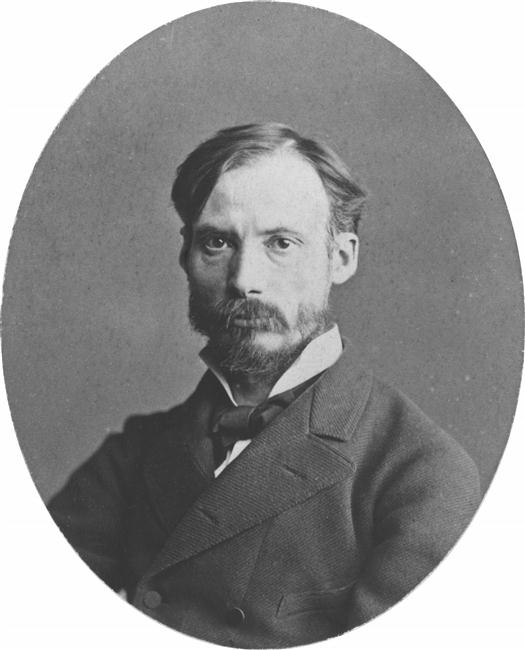
BiographyPierre-Auguste Renoir: life and legacy
Overview
Impressionist painter of portraits, leisure and the human figure whose later search for solidity changed the direction of his work.
From decorated porcelain to painting
Pierre-Auguste Renoir grew up in Paris and first earned money decorating porcelain. This employment demanded control of small brushes and decorative surfaces, but he wanted a wider career in painting. Training in Charles Gleyre’s studio brought him into contact with Monet, Sisley and Bazille. They shared an interest in working outside and in representing contemporary life. Renoir’s development was therefore both practical and collaborative. The skills of a working decorator met the ambitions of artists dissatisfied with the narrow routes to success offered by official exhibitions.
Making modern leisure visible
Renoir participated in the first Impressionist exhibition in 1874. Paintings of dances, boating and outdoor gatherings made new forms of urban and suburban leisure into substantial subjects. Dance at Le Moulin de la Galette combines crowded figures with shifting patches of light. Luncheon of the Boating Party, painted in 1880–1881, brings friends and acquaintances together on a riverside terrace. Its relaxed atmosphere depends on careful organisation of overlapping bodies, glances and objects. These are composed images of sociability, not simply unedited records of a pleasant afternoon.
A change of direction
A journey to Italy in 1881 intensified Renoir’s interest in Renaissance painting and the structure of the human figure. He became dissatisfied with aspects of the loose handling associated with Impressionism and experimented with firmer outlines and more sculptural bodies. The Large Bathers brought this investigation into a carefully arranged composition. The change was neither a total rejection of colour nor a return to a single academic formula. It shows an artist reassessing how line, volume and luminous surfaces could coexist after years of exploring outdoor light.
Portraits and late work
Portrait commissions and relationships with collectors helped sustain Renoir financially. Women, children and family members remained central subjects, alongside landscapes and increasingly monumental nudes. Arthritis severely restricted his movement in later life, but he continued working at Cagnes-sur-Mer. His late paintings emphasise warm colour and rounded forms rather than the particular social settings of his earlier scenes. Renoir died in 1919. His reputation for uncomplicated pleasure can hide the variety of his career: decorative labour, precarious exhibition ventures, portrait business and repeated revisions of artistic method all shaped the images now associated with effortless enjoyment.