BiographyÉdouard Manet: life and legacy
Overview
Parisian painter who used modern subjects and uncompromising paint handling to challenge established expectations of respectable art.
Old masters and a modern city
Édouard Manet trained in Thomas Couture’s studio after an unsuccessful attempt to follow a naval career. He copied works in the Louvre and studied painters such as Velázquez. These encounters mattered throughout his career: he did not reject older art, but rearranged its poses and conventions for modern subjects. Dark outlines, strong contrasts and patches of colour could replace the smoothly graduated modelling favoured by academic painters. His pictures consequently made viewers conscious of paint on a surface as well as the people or objects represented.
Why his paintings caused scandals
Le Déjeuner sur l’herbe appeared in the Salon des Refusés in 1863 after rejection by the official exhibition. Its combination of contemporary clothed men and a nude woman unsettled viewers accustomed to nudity justified by mythology. Olympia, exhibited at the Salon in 1865, similarly transformed the reclining Venus into a recognisably modern courtesan who looks directly out of the painting. The scandals involved social meaning as well as technique. Manet challenged the comfortable distance that classical titles and idealised bodies could place between art and contemporary sexual commerce.
Not simply another Impressionist
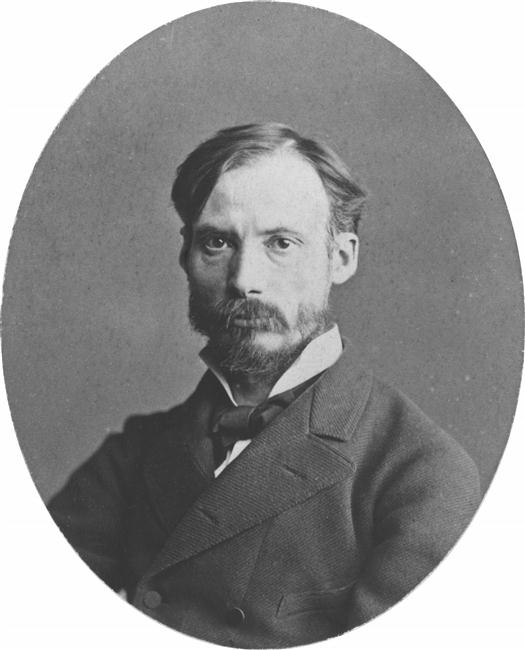
Younger artists admired Manet, and he learned from Monet and Renoir, particularly through outdoor painting in the 1870s. Yet he never joined the Impressionists’ independent group exhibitions. He continued to seek recognition through the Salon and often constructed pictures through repeated studio work. Café-concerts, railways, fashionable crowds and boating provided subjects for examining modern experience. His paintings can appear spontaneous while remaining deliberately organised. The relationship between quick-looking brushwork and careful arrangement is essential to understanding why his work differs from a simple visual snapshot.
Politics and difficult looking
Manet also confronted public events, including the execution of Emperor Maximilian in Mexico, whose failed regime had relied on French support. His late A Bar at the Folies-Bergère places a barmaid before a mirror whose reflections resist easy explanation. The picture joins spectacle, commercial exchange and the uncertain position of the spectator without resolving them into a single lesson. Ill health restricted his final years, but he continued painting portraits, flowers and contemporary scenes. He died in 1883. His importance lies in making modern life suitable for serious painting while refusing to make that life visually comfortable.