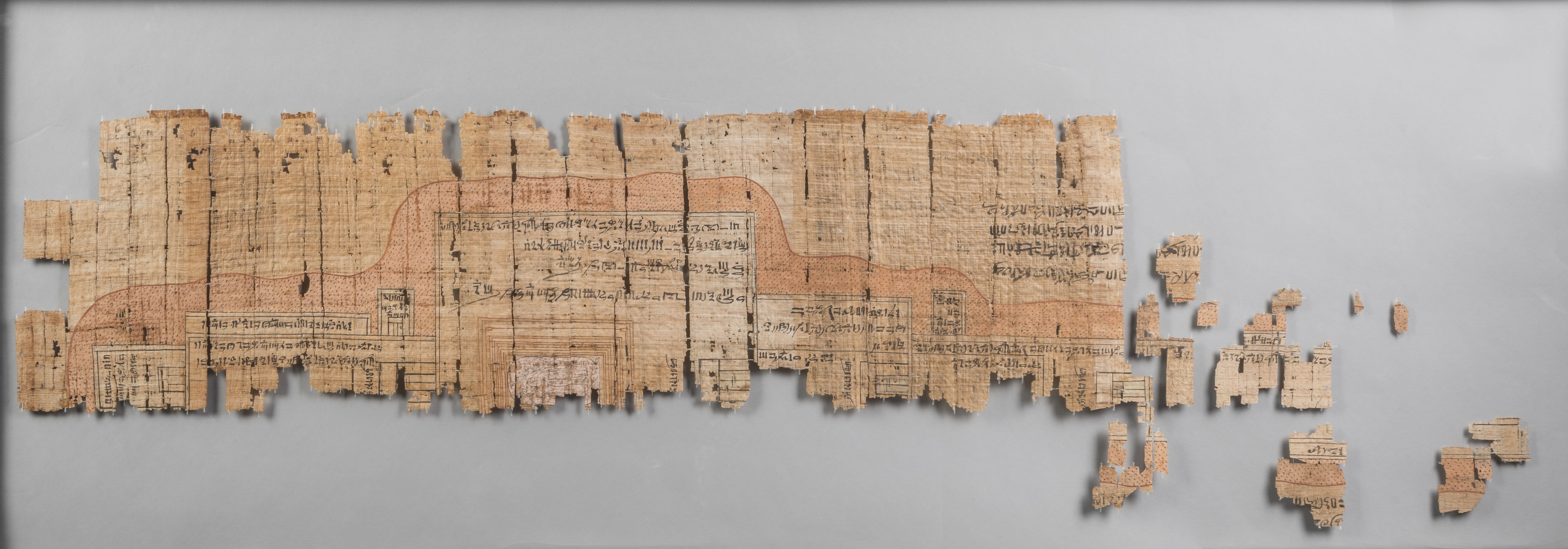
Portrait of Hatshepsut

Hatshepsut. Creator not identified in source metadata. CC0.

Historical person · Ancient

Hatshepsut

reigned c.1479–1458 BC, initially as regent

Eighteenth-Dynasty ruler who moved from regency to joint kingship, sponsored monumental building and long-distance trade, and expressed her authority through the established language of Egyptian monarchy.

Explore Ancient EgyptRead biography ↓

Your next chapter starts here

Take history with you.

Create a free account or log in to download this guide as a PDF. Reading on the website is always free.

Create free account
Quick answers

What to know about Hatshepsut

Direct answers to common questions about Hatshepsut, followed by the full sourced biography.

Who was Hatshepsut?

Eighteenth-Dynasty ruler who moved from regency to joint kingship, sponsored monumental building and long-distance trade, and expressed her authority through the established language of Egyptian monarchy. Eighteenth-Dynasty ruler who moved from regency to joint kingship, sponsored monumental building and long-distance trade, and expressed her authority through the established language of.

What is Hatshepsut known for?

Hatshepsut is particularly known for Deir el-Bahri temple, Expedition to Punt, Joint reign with Thutmose III.

When did Hatshepsut live?

Hatshepsut lived reigned c.1479–1458 BC, initially as regent. This profile places that life within Ancient and Ancient Egypt.

Why is Hatshepsut historically significant?

Some statues present Hatshepsut with conventional male royal attributes, while others preserve feminine clothing or wording. These differences show artists adapting established symbols of office, rather than proving that her identity was a secret. After her death, images and names were deliberately damaged, and later king lists omitted her. Modern scholarship has challenged older.

Biography

Hatshepsut: life and legacy

Overview

Eighteenth-Dynasty ruler who moved from regency to joint kingship, sponsored monumental building and long-distance trade, and expressed her authority through the established language of Egyptian monarchy.

From royal wife to king

Hatshepsut belonged to the royal family of Egypt’s Eighteenth Dynasty. A daughter of Thutmose I, she married his son Thutmose II. After her husband died, his young son Thutmose III succeeded, with Hatshepsut governing as regent. She subsequently adopted the titles of a king while continuing to rule alongside him. This was not simply a modern-style change of job: kingship carried religious responsibilities and a recognised visual language. Her position developed over several years, and surviving evidence does not justify reducing the relationship between the two rulers to a straightforward story of personal hatred.

Building royal authority

Her terraced temple at Deir el-Bahri formed a major statement of royal and religious authority. Its reliefs connected her rule with the god Amun and presented a divine account of her birth. Such images were claims about legitimacy, not straightforward records of events. Her building activity also reached Karnak, where chapels and obelisks advertised her patronage, and other sites across Egypt. These projects required organised labour, skilled carving, transport and resources. Their scale shows the institutional capacity behind her government, while their inscriptions reveal how she wanted that government to be remembered by later generations.

Trade and the wider world

The expedition to Punt is among the most distinctive subjects preserved on her temple walls. Valuable materials including aromatic resins and exotic goods connected Egyptian ceremonial life with trading networks beyond the Nile valley. Punt’s precise location remains debated; confidently identifying it with one modern country goes beyond the evidence. Her reign is often described as peaceful because trade and building dominate its surviving monuments. That contrast should not be exaggerated: evidence also exists for military activity in Nubia. The monuments foreground prosperity and divine favour, but they do not provide a complete account of every aspect of government.

Images, destruction and recovery

Some statues present Hatshepsut with conventional male royal attributes, while others preserve feminine clothing or wording. These differences show artists adapting established symbols of office, rather than proving that her identity was a secret. After her death, images and names were deliberately damaged, and later king lists omitted her. Modern scholarship has challenged older assumptions that this automatically proves an immediate revenge attack by a resentful stepson. Excavated fragments, surviving inscriptions and reconstructed statues make it possible to recover a more complex reign. The destruction was extensive, but it never removed every trace of her achievements.

Key moments

Timeline

  1. Born

    Hatshepsut's life began in reigned c.1479 BC.

  2. Regency begins, approximately

    After Thutmose II dies, Hatshepsut governs during the minority of Thutmose III.

  3. Royal titulary adopted, approximately

    By this stage she exercises kingship alongside Thutmose III; exact chronologies differ.

  4. Monumental programme under way, approximately

    During the joint reign, temple construction and decoration express her royal and religious authority; this is a period marker, not an exact foundation date.

  5. Joint reign ends, approximately

    Thutmose III becomes sole ruler following her death; some chronologies place the transition in 1457 BC.

Connections

Related people

Test your knowledge

Related quizzes

Evidence

Sources and further reading

  1. HatshepsutUniversity College London
  2. HatshepsutNational Museum of Egyptian Civilization
  3. Unearthing HatshepsutMetropolitan Museum of Art
  4. The Female Pharaoh HatshepsutMetropolitan Museum of Art
  5. Biographical records and portraitsNational Portrait Gallery
  6. Historical people and primary sourcesLibrary of Congress
  7. Historical figuresEncyclopaedia Britannica

Biographical claims are summarised from the sources above. Interpretation and disputed reputations are identified in the text rather than presented as settled fact.

Milestone unlocked!

Your completed quizzes are building a history of their own.