Roman Britain describes the parts of Britain governed within the Roman Empire from the invasion of AD 43 to the breakdown of imperial authority in the early fifth century. Roman control never covered the whole island permanently, and it did not extend over Ireland. The province changed considerably during those centuries. Conquest and resistance were followed by new institutions, military frontiers and economic connections, but older practices did not simply vanish. Archaeological evidence reveals both the power of the imperial state and the varied lives of people who farmed, traded, served in the army or worked under coercion.

Topic guide
Roman Britain
Discover the conquest of Britain, resistance to Rome and everyday life in the province.
Start here
Overview
Key questions answered
Roman Britain explained
Begin with clear answers, then use the full guide, timeline, people, stories and quizzes below.
What is Roman Britain?
Discover the conquest of Britain, resistance to Rome and everyday life in the province. Roman Britain describes the parts of Britain governed within the Roman Empire from the invasion of AD 43 to the breakdown of imperial authority in the early fifth century. Roman control never covered the whole island permanently, and it did not extend over Ireland. The province changed considerably.
When did Roman Britain happen?
The guide follows major developments from 55 BC (Caesar's first expedition) to Early fifth century (Imperial authority ends). The full chronology below explains the changes between them.
What should you know about Roman Britain?
The essential areas are Conquest was a process, not one landing, Frontiers and the army, Towns, countryside and inequality, Belief, identity and everyday evidence, The end of imperial government. Each section below explains the evidence and historical connections.
Why does Roman Britain matter?
Roman Britain describes the parts of Britain governed within the Roman Empire from the invasion of AD 43 to the breakdown of imperial authority in the early fifth century. Roman control never covered the whole island permanently, and it did not extend over Ireland. The province changed considerably during those centuries. Conquest and resistance were followed by new institutions,.
Build your understanding
The essential guide
Conquest was a process, not one landing
Julius Caesar's expeditions in 55 and 54 BC preceded the lasting invasion by almost a century. They did not create the province later governed by Rome. Claudius launched the invasion of AD 43, seeking military prestige as well as expansion. Roman forces gradually extended control through campaigns and agreements with local rulers. Some leaders cooperated with Rome, while others resisted. The rebellion associated with Boudica in AD 60 or 61 exposed the violence and instability beneath claims of peaceful rule. Roman military superiority helped suppress opposition, but conquest required continuing troops, supplies and political arrangements. It cannot be understood as every community accepting a new administration at the same moment.
Frontiers and the army
The army was central to provincial government and economic demand. Soldiers needed food, equipment, transport and accommodation, supporting settlements around forts as well as drawing resources from local populations. Hadrian visited Britain in AD 122, when work began on the wall that bears his name. The frontier combined barriers with forts, roads and controlled crossings rather than functioning as an isolated stone line. Roman forces later occupied a frontier farther north at the Antonine Wall before returning to Hadrian's line. Garrisons included units with origins across the empire. Their inscriptions and objects demonstrate connections beyond Britain, while individual lives cannot always be reduced to the geographical names carried by military units.
Towns, countryside and inequality
Roads and urban centres supported administration, trade and military movement. Public buildings, baths and imported goods could express status and participation in imperial culture. Wealthy rural households developed villas, but most people did not live in decorated houses with mosaics. Farming remained fundamental, and archaeological landscapes preserve many less spectacular settlements. The benefits of imperial connections were distributed unevenly. Prosperity for an owner or merchant could depend on taxation, compulsory obligations or the labour of people with little freedom. Surviving luxury objects therefore need to be considered alongside ordinary pottery, tools and settlement remains. They show what particular groups could obtain, not the normal living standard of every provincial inhabitant.
Belief, identity and everyday evidence
Religious life brought local traditions into contact with practices from elsewhere in the empire. Inscriptions record dedications to deities with different origins, and some combined identities in ways that complicate a simple division between Roman and native. Christianity became increasingly important in the later imperial period, but religious change was uneven. Objects and written traces also reveal practical concerns such as buying supplies, maintaining relationships and meeting official demands. The category Romano-British is useful, yet it should not imply that everyone possessed one identical culture. Status, occupation, location and family history shaped experience. Archaeology helps recover these differences, while reminding us that much of the population left no surviving personal account.
The end of imperial government
Political struggles elsewhere in the empire repeatedly affected Britain. Soldiers could support rival emperors or leave the province to fight overseas; Constantine was proclaimed emperor at York in AD 306. In the early fifth century, imperial administration and the systems supporting it broke down. AD 410 is a conventional marker, not the day every Roman person boarded a ship. Communities remained, adapted buildings and developed new arrangements for authority and defence. Coin supply, urban life and long-distance connections changed, but the effects differed between regions. Understanding the end of Roman Britain means tracing these uneven changes rather than imagining a sudden disappearance of civilisation followed by an island without history.
Chronology
Key dates
Caesar's first expedition
Roman forces crossed to Britain without establishing a lasting province.
Caesar returns
A second expedition preceded later conquest by almost a century.
Claudian invasion
The campaign that established Roman provincial rule began.
Boudica's rebellion
A major revolt attacked centres of Roman authority.
Hadrian's Wall
Construction began during Hadrian's visit to Britain.
Antonine frontier
Roman forces developed a new fortified line farther north.
Constantine proclaimed
The army acclaimed Constantine at York.
Imperial authority ends
Roman government broke down; AD 410 is the conventional reference date.
Read more
Essential stories
Begin with the foundations, then move into the events, people and debates that add detail and complexity.
No verified stories have been assigned to this topic yet.
Test yourself
Available quizzes
 Medium
Roman Britain
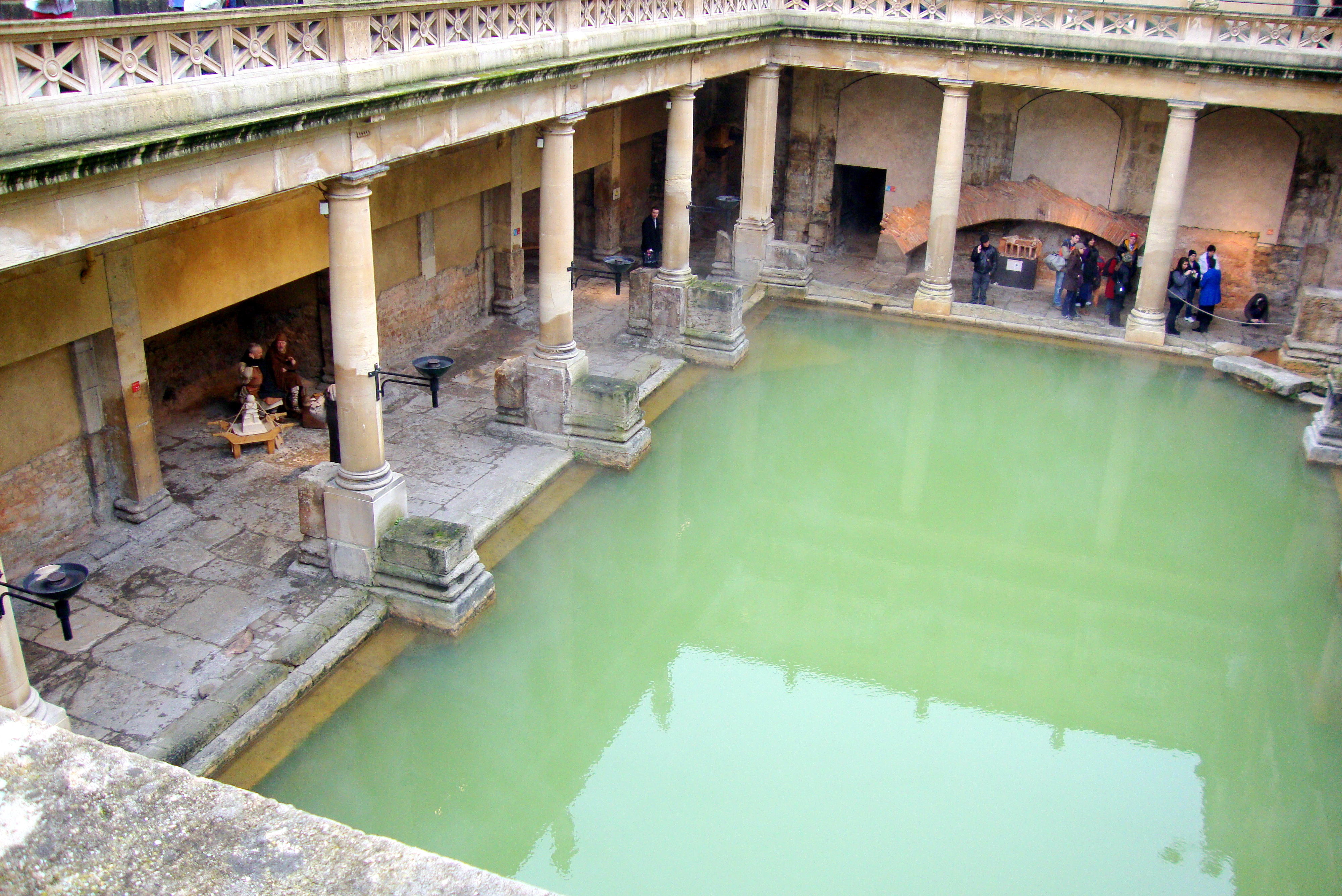
Roman Bath: Springs, Worship and Objects
Read the archaeological evidence for religion and daily life at Aquae Sulis.
Start quiz → Hard
Roman Britain
Vindolanda: Letters and Reports
Eight questions about vindolanda: letters and reports, exploring evidence, objects and historical decisions.
Start quiz →People
No people are currently assigned.
Events
Continue learning
Sources and further reading
- English Heritage: Roman Britain
- English Heritage: the invasion
- English Heritage: Housesteads and the frontier
- English Heritage: Roman soldiers and their material world
- English Heritage: the end of Roman Britain
- York Minster: historical timeline
- Library of Congress: exhibitions and primary-source collections
- Heilbrunn Timeline of Art History
- British Library: research collections